
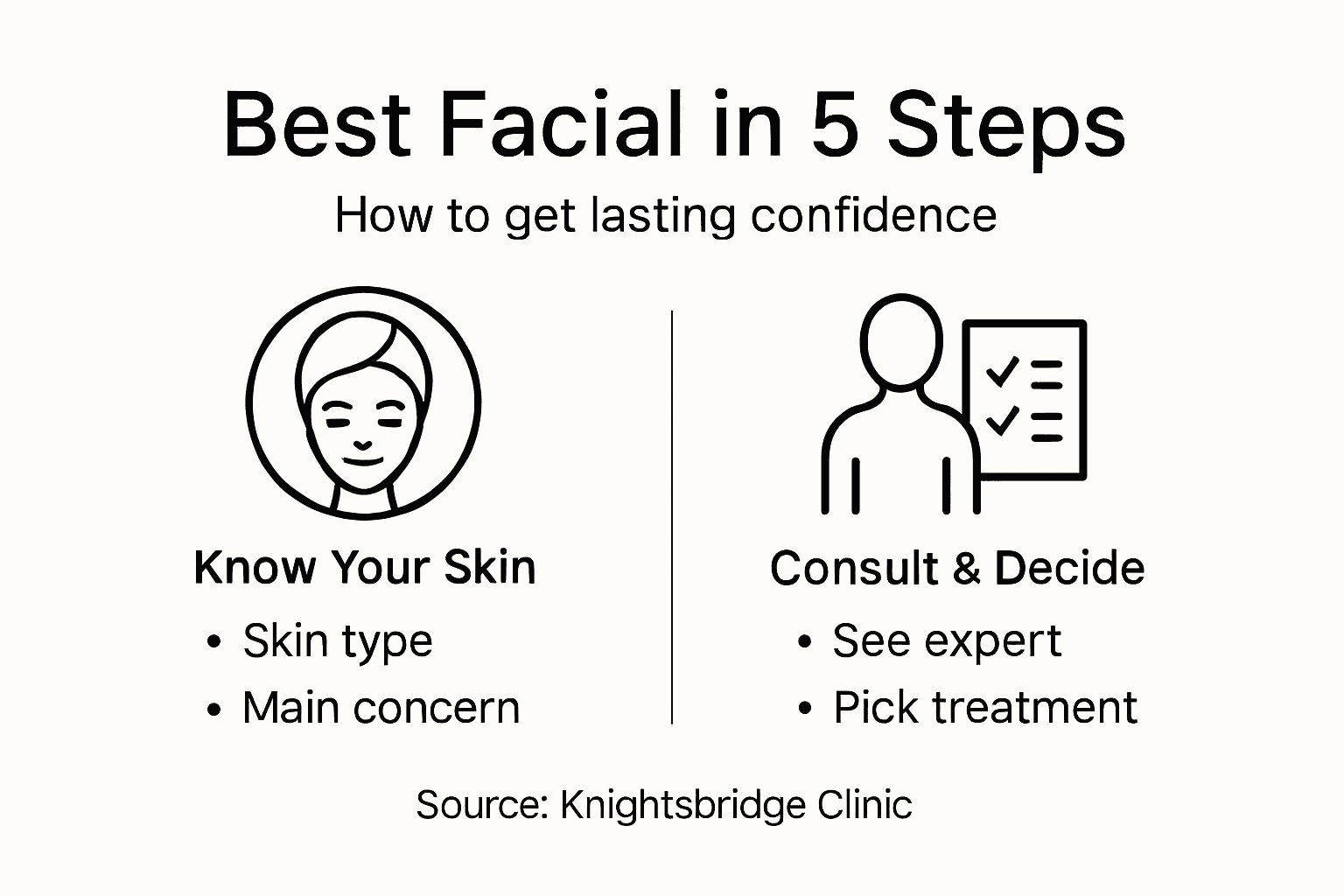
Choosing the perfect facial can feel complex when your skin’s needs shift with the London seasons and lifestyle demands. Pinpointing your precise skin type is key to unlocking truly personalised treatments that deliver visible rejuvenation and renewed confidence. This guide reveals expert strategies for assessing your unique skin profile, selecting accredited practitioners, and exploring bespoke facials, helping you achieve results that reflect your individual goals and standards.
Table of Contents
- Step 1: Assess Your Skin Type And Main Concerns
- Step 2: Consult With A Qualified Aesthetic Practitioner
- Step 3: Explore Bespoke Facial Options For Your Needs
- Step 4: Review Treatment Safety And Accredited Providers
- Step 5: Evaluate Results And Plan Future Skincare
Quick Summary
| Key Point | Explanation |
|---|---|
| 1. Identify Your Skin Type | Understanding whether your skin is normal, dry, oily, or combination ensures tailored treatment for optimal results. |
| 2. Consult Qualified Practitioners | Choose practitioners with verified medical qualifications and experience in aesthetic procedures for safe and effective treatments. |
| 3. Explore Bespoke Facial Treatments | Select treatments based on your unique skin concerns, such as hydration, anti-ageing, or acne management for targeted rejuvenation. |
| 4. Evaluate Treatment Safety | Check for professional registration and clinic accreditation to ensure the safety and reliability of your aesthetic treatments. |
| 5. Monitor Results Post-Treatment | Track changes in your skin’s texture and appearance after treatment to assess effectiveness and inform future skincare plans. |
Step 1: Assess your skin type and main concerns
Understanding your unique skin profile is the foundational step in selecting the most effective facial treatment. Each skin type requires a tailored approach that addresses its specific characteristics and concerns, ensuring you achieve optimal results and lasting confidence.
To accurately determine your skin type, begin by identifying fundamental skin characteristics. The primary skin types include:
- Normal skin: Balanced moisture levels, minimal sensitivity
- Dry skin: Feels tight, rough, or flaky
- Oily skin: Appears shiny, prone to enlarged pores and potential breakouts
- Combination skin: Mixture of oily and dry areas, typically oily in the T-zone
Carefully observe how your skin responds after cleansing. Notice its texture, oil production, and any areas of sensitivity. Pay attention to seasonal variations and hormonal changes, as these can significantly impact your skin’s condition. For persistent or complex skin concerns, consulting a professional dermatologist can provide precise insights into your specific skin needs.
Professional assessment helps prevent misdiagnosis and ensures targeted treatment strategies.
Key factors to evaluate include hydration levels, skin sensitivity, prone areas for congestion, and any specific concerns like uneven texture, fine lines, or hyperpigmentation. Each of these elements will guide your facial treatment selection.
Professional tip: Keep a weekly skin journal documenting changes, environmental factors, and how your skin responds to different treatments to build a comprehensive understanding of your unique skin profile.
Step 2: Consult with a qualified aesthetic practitioner
Selecting the right aesthetic practitioner is crucial for ensuring safe, effective, and personalised treatment that aligns with your specific skin goals and confidence expectations. A thorough consultation forms the cornerstone of any successful aesthetic procedure.
When seeking a practitioner, prioritise those with verified medical qualifications. The ideal professional should possess:
- Registered medical credentials (doctor, nurse, or dentist)
- Specific training in aesthetic procedures
- Current professional body registration
- Extensive experience in your desired treatment
- A proven track record of successful patient outcomes
During your initial consultation, expect a comprehensive assessment that goes beyond superficial discussions. A qualified practitioner will:
- Conduct a detailed medical history review
- Discuss your specific aesthetic goals
- Evaluate your skin type and condition
- Explain potential treatment options
- Address potential risks and expected outcomes
A professional consultation is your opportunity to understand the treatment thoroughly and build trust with your practitioner.
Preparation is key when meeting your aesthetic professional. Bring relevant medical documents, be prepared to discuss your complete health history, and compile a list of questions about the proposed treatment. This proactive approach ensures a transparent and informative consultation.
Professional tip: Request to see the practitioner’s professional certifications and before-and-after photographs of previous treatments to assess their expertise and aesthetic approach.
Step 3: Explore bespoke facial options for your needs
Navigating the world of facial treatments requires a nuanced approach that considers your unique skin characteristics, aesthetic goals, and personal preferences. Your journey towards lasting confidence begins with understanding the diverse range of facial treatment options available to address your specific skin concerns.
The most effective facial treatments are those tailored precisely to your individual needs. Consider the following categories of bespoke facial options:
- Hydration-focused treatments: Ideal for dry or dehydrated skin
- Anti-ageing solutions: Targeting fine lines, wrinkles, and skin elasticity
- Acne and congestion management: Specialised treatments for problematic skin
- Brightening and evenness treatments: Addressing hyperpigmentation and uneven skin tone
- Sensitive skin regeneration: Gentle approaches for reactive or delicate skin types
Each facial treatment type offers unique benefits that can be customised to your specific skin profile. During your consultation, discuss your primary skin concerns, lifestyle factors, and aesthetic objectives with your practitioner to develop a truly personalised treatment plan.
Here is a concise comparison of common bespoke facial treatment categories and their ideal suitability:
| Facial Treatment Category | Best Suited Skin Types | Expected Benefit |
|---|---|---|
| Hydration-focused | Dry, combination | Increased moisture levels |
| Anti-ageing solutions | Mature, normal, combination | Improved elasticity, fewer lines |
| Acne/congestion management | Oily, problematic | Reduced blemishes, clearer skin |
| Brightening/evenness | Dull, uneven tone | More radiant, even complexion |
| Sensitive skin regeneration | Sensitive, reactive | Calmer, more resilient skin |
A bespoke facial treatment is not a one-size-fits-all solution, but a carefully crafted approach to skin rejuvenation.
Key considerations when exploring facial options include your skin’s current condition, past treatment history, potential downtime, expected results, and long-term skin health goals. Some treatments may require multiple sessions, while others provide immediate visible improvements.
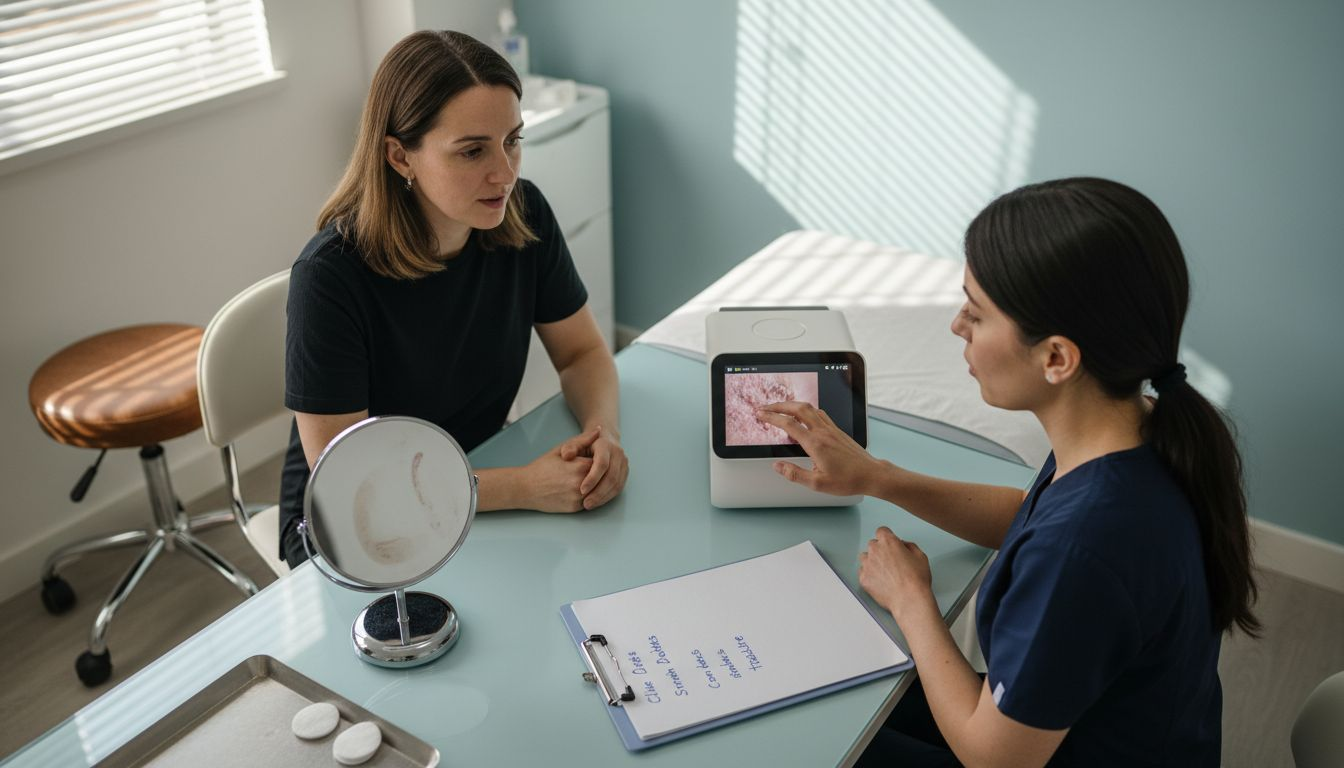
Professional tip: Request a comprehensive skin analysis using advanced diagnostic tools to gain precise insights into your skin’s unique characteristics and potential treatment pathways.
Step 4: Review treatment safety and accredited providers
Ensuring your aesthetic journey is safe, professional, and reliable requires thorough investigation into treatment providers and their credentials. Understanding how to verify healthcare regulatory standards is crucial for protecting your wellbeing and achieving optimal results.
When evaluating potential aesthetic practitioners, focus on the following critical safety criteria:
- Professional Registration: Verify medical credentials with official bodies
- Clinic Accreditation: Check for recognised healthcare establishment certifications
- Treatment Specialisation: Confirm specific expertise in your desired procedure
- Insurance Coverage: Ensure comprehensive professional liability protection
- Patient Safety Record: Review historical performance and patient testimonials
A comprehensive safety review involves multiple strategic steps:
- Request practitioner’s professional qualifications
- Check registration with medical regulatory councils
- Verify clinic’s Care Quality Commission (CQC) status
- Review detailed treatment consent and risk documentation
- Discuss potential complications and management strategies
Safety in aesthetic treatments is not an option—it is an absolute requirement for responsible patient care.
Key documentation to request includes professional certificates, insurance details, before-and-after treatment portfolios, and comprehensive treatment protocols. These documents provide transparent insights into a practitioner’s competence and commitment to patient safety.
Professional tip: Maintain a checklist of safety requirements and do not hesitate to ask direct questions about a practitioner’s experience, training, and approach to managing potential treatment risks.
Step 5: Evaluate results and plan future skincare
After completing your facial treatment, a strategic approach to skin maintenance matters significantly impacts your long-term aesthetic results and overall skin health. This critical evaluation phase helps you understand the treatment’s effectiveness and develop a personalised ongoing skincare strategy.
To effectively assess your facial treatment results, consider the following comprehensive evaluation framework:
- Immediate outcomes: Note visible changes in skin texture and appearance
- Short-term improvements: Track hydration levels and skin tone
- Long-term expectations: Understand potential cumulative benefits
- Potential side effects: Monitor and document any unexpected reactions
- Treatment sustainability: Determine the duration of visible improvements
Your post-treatment evaluation should encompass multiple assessment dimensions:
- Photograph your skin before and after treatment
- Document skin changes weekly
- Note improvements in texture, tone, and overall appearance
- Assess treatment alignment with initial aesthetic goals
- Consult with your practitioner about future maintenance
Consistent monitoring and professional guidance are key to achieving lasting skincare success.
Key metrics for evaluation include skin elasticity, moisture retention, reduction in fine lines, and overall skin radiance. These indicators help you and your aesthetic professional design a tailored ongoing skincare approach.
To support ongoing results, consider these essential post-treatment evaluation metrics:
| Evaluation Metric | How to Assess | Why It Matters |
|---|---|---|
| Skin elasticity | Gentle pinch test | Indicates firmness and age |
| Moisture retention | Use hydrometer or visual | Shows hydration improvements |
| Fine lines reduction | Seasonal photo monitoring | Tracks visible ageing signs |
| Overall radiance | Natural daylight observation | Reflects skin health status |
Professional tip: Create a digital skin journal with progress photographs and detailed notes to track your aesthetic journey and inform future treatment decisions.
Discover Your Perfect Facial Treatment for Lasting Confidence Today
Choosing the right facial to address your unique skin type and aesthetic goals can feel overwhelming without the right guidance. At The Aesthetics Room, we understand that personalised care and expert assessment are essential to overcoming concerns like uneven skin tone, dehydration, or ageing signs. Our Skin Treatments – The Aesthetics Room offer bespoke solutions crafted just for you, ensuring safety, professionalism, and effective results in a luxurious setting.

Begin your journey to radiant, confident skin with a tailored consultation at our premium clinic in Knightsbridge. Visit The Aesthetics Room now to explore how our expert team can help you achieve lasting skincare success. Take the first step towards rejuvenation by booking your personalised facial treatment today. Your skin deserves nothing less than bespoke excellence.
Frequently Asked Questions
How do I assess my skin type before choosing a facial treatment?
Understanding your skin type is crucial for selecting the right facial treatment. Start by observing your skin’s texture and moisture levels after cleansing, noting any areas of sensitivity or oiliness. Keep a journal to track these observations over time, which will help you identify patterns and specific needs.
What qualifications should I look for in an aesthetic practitioner?
When choosing an aesthetic practitioner, ensure they have verified medical qualifications, such as being a registered doctor or nurse with specific training in aesthetic procedures. Request to see their professional credentials and patient outcomes to confirm their expertise.
What are the key factors to discuss during my consultation?
During your consultation, focus on discussing your specific skin concerns, aesthetic goals, and any previous treatments you have undergone. A thorough conversation ensures the treatment plan is personalised and addresses all areas of concern effectively.
How can I evaluate the results of my facial treatment?
To evaluate the results of your facial treatment, take note of any immediate changes in skin texture, hydration, and overall appearance. Consider keeping photographic evidence and document your skin’s progress over the following weeks to assess long-term improvements.
What should I do if I experience unexpected side effects after a facial?
If you notice any unexpected side effects after your facial treatment, it is essential to monitor the symptoms and consult your aesthetic practitioner immediately. Inform them of your experiences so they can provide appropriate guidance and potentially adjust your skincare regimen.
How can I maintain my skin’s health after a facial?
To maintain your skin’s health post-facial, adopt a consistent skincare routine that includes hydration and protection from the sun. Aim to follow your practitioner’s aftercare advice and evaluate your skin’s response to products over several weeks to optimise your skincare regimen.
Recommended
- What Is Facial Rejuvenation and Why It Matters – The Aesthetics Room
- 7 Essential Tips for Smart Facial Treatment Comparison – The Aesthetics Room
- Why Skin Maintenance Matters for Lasting Confidence – The Aesthetics Room
- 7 Examples of Facial Treatments for Lasting Skin Rejuvenation – The Aesthetics Room