
Glass-like glow is appealing in photographs, but real skin behaves differently. It can be dehydrated, congested, sensitive, hormonally reactive or simply tired – and the right treatment depends on which of those factors is standing in the way. When patients ask about the best skin treatments for glowing skin, the most honest answer is that glow is usually the result of better skin function, not a single quick fix.
That distinction matters. A radiant complexion comes from a healthy skin barrier, even cell turnover, good hydration, balanced oil production and, in many cases, collagen support. If one of those areas is off, skin can look dull no matter how many products you apply at home. Medical aesthetic treatments can make a meaningful difference, but only when they are chosen properly and carried out with a clear plan.
What actually creates glowing skin?
Glowing skin is often described as brightness, but clinically it is more nuanced than that. Skin tends to look luminous when the surface is smooth, hydration levels are stable, pores are less congested and the underlying tissue has enough collagen to reflect light evenly. By contrast, rough texture, dehydration, inflammation and pigment irregularity can all make the complexion appear flat.
This is why a treatment that works beautifully for one person may be wrong for another. Someone with post-inflammatory pigmentation might need a very different approach from someone whose main concern is crepey, dehydrated skin. The best outcomes come from consultation-led treatment planning rather than choosing whatever is currently popular.
Best skin treatments for glowing skin: which ones are worth considering?
There is no universal gold-standard treatment, but several options consistently help improve radiance when matched to the right skin type and concern.
Chemical peels for brightness and clarity
A well-chosen chemical peel can be one of the most effective ways to restore glow. By encouraging controlled exfoliation, peels help remove dull surface build-up, improve the look of congestion and support more even skin tone. They can be particularly useful if your skin looks tired, rough or uneven.
That said, not every peel should be treated as a lunchtime refresh. The strength of the acids, the condition of your barrier and your skin history all matter. Overly aggressive peeling can leave skin irritated and more reactive, especially in patients already using active skincare. The right peel should feel purposeful, not punishing.
Microneedling for texture and collagen support
Microneedling is often recommended when glow is being lost to texture changes, enlarged pores or early skin laxity. By creating controlled micro-injury, it encourages collagen production and can help skin appear firmer, smoother and fresher over time. The result is not instant in the way a superficial facial can be, but it is often more meaningful.
This treatment suits many patients, but not all. If the skin is inflamed, acne is active or rosacea is poorly controlled, microneedling may not be the right first step. Timing also matters – skin usually looks its best after a course rather than one isolated session.
Hydrating injectable skin treatments
For skin that looks drawn, dry or lacklustre despite good skincare, injectable skin boosters can be a strong option. These treatments are designed to improve hydration within the skin and can enhance smoothness, elasticity and overall freshness. Rather than adding volume in the way traditional filler does, they focus on skin quality.
This distinction is important for patients who want to look healthier rather than altered. When used thoughtfully, these treatments can give the complexion a rested, polished finish. They are especially appealing for busy professionals who want subtle improvement and minimal disruption.
LED light therapy for recovery and calm
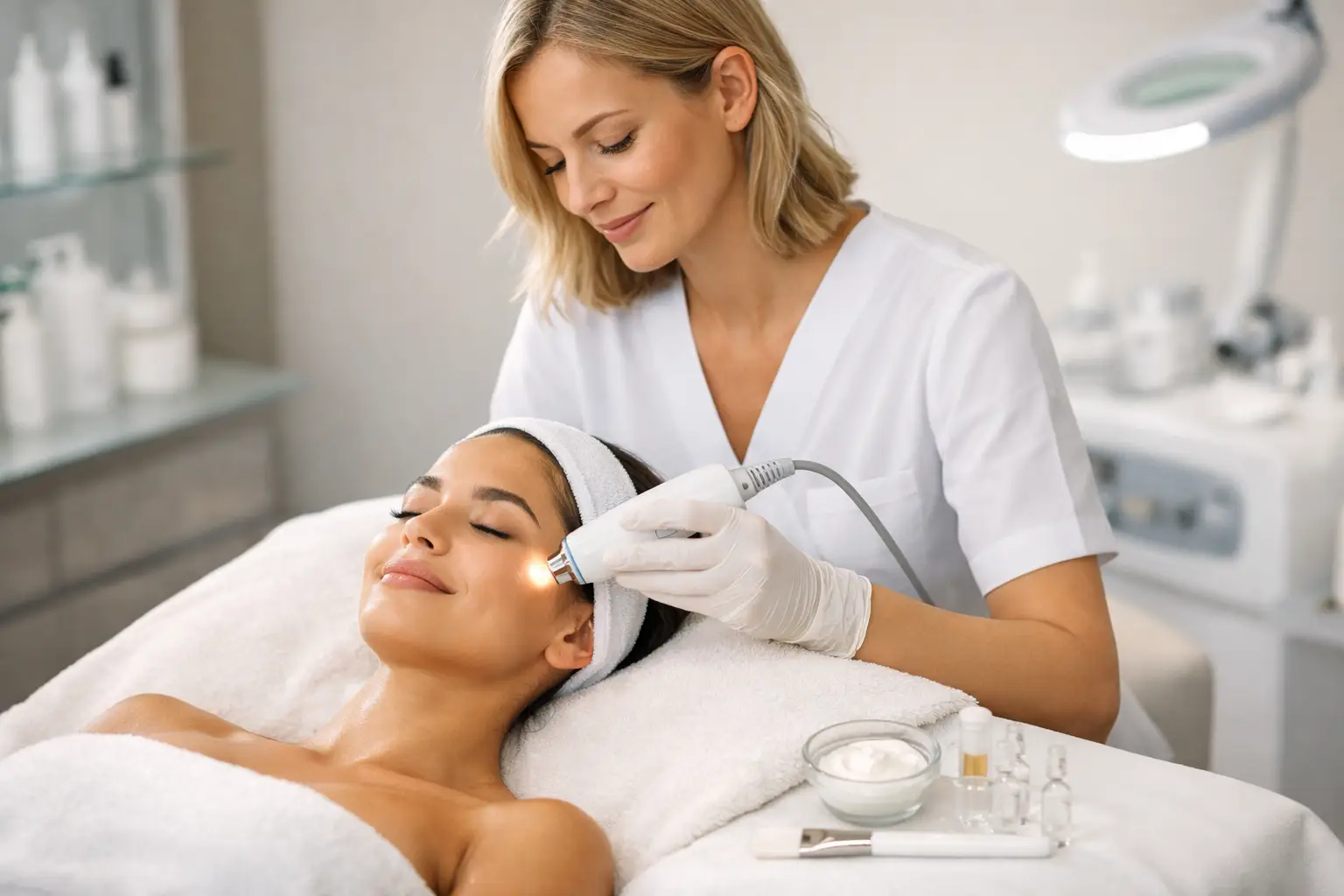
LED light therapy is often underestimated because it feels gentle, but it can be a valuable adjunct treatment. It can support healing, reduce visible redness and help settle skin after more intensive procedures. For some patients, especially those with stressed or sensitive skin, this can be part of the route back to radiance.
It is rarely the only treatment needed if dullness is significant, but it works well within a broader plan. Good skin is usually built through consistency, not drama.
Medical-grade facials and bespoke skin protocols
Not every effective treatment needs downtime. A medical-grade facial carried out in a clinical setting can help improve hydration, circulation and superficial brightness, particularly before events or during periods of stress. The difference between this and a standard beauty facial is the level of assessment and the quality of the treatment plan around it.
At a premium clinic level, these treatments work best when they are not sold as isolated pampering sessions but positioned within a bigger strategy. Skin that has been properly assessed responds far better than skin treated on assumption.
How to choose the best skin treatment for your skin
The most useful question is not “what gives glow?” but “why has my skin lost it?” If the answer is dehydration, barrier repair and hydrating treatments may matter more than exfoliation. If the issue is texture or acne scarring, collagen-stimulating options are often more appropriate. If pigmentation is involved, an overly aggressive treatment can worsen the concern rather than improve it.
Age also changes the picture. In your late twenties or thirties, glow may be more about prevention, hydration and maintaining smooth texture. Later on, collagen decline, slower turnover and structural changes may mean a combined approach works better. This is where a bespoke consultation becomes especially valuable.
For many patients, the best results come from layering treatments sensibly over time rather than expecting one appointment to correct everything. A peel might improve clarity, microneedling may refine texture, and supportive skincare can help maintain results between visits. The point is precision.
Why consultation-led care matters
In aesthetic medicine, skin should never be treated as a generic surface. It reflects inflammation, hormones, stress, sun exposure, age and lifestyle. That is why medically led assessment matters so much, especially when patients are investing in premium care and expecting refined, natural-looking results.
A proper consultation should look at more than your immediate complaint. It should assess your skin history, tolerance, previous treatments, lifestyle factors and goals. It should also consider what not to do. Sometimes the safest and most effective recommendation is to stabilise the skin first rather than rush into an intensive procedure.
This is one area where luxury should mean standards, not excess. In a reputable clinic environment, patient safety, hygiene, practitioner training and a personalised treatment pathway are part of the treatment itself. For patients seeking discreet enhancement in central London, that level of care is often what separates a polished outcome from a disappointing one.
The treatments that are not always best for glow
It is easy to assume stronger means better. In reality, over-treatment is one of the quickest ways to lose radiance. Too many exfoliating procedures, poorly timed laser sessions, inappropriate home acids or overly frequent skin needling can leave the complexion inflamed and compromised.
Similarly, treatments that target volume or movement are not necessarily skin-quality treatments. Anti-wrinkle injections and dermal fillers have their place and can contribute to a fresher overall appearance, but they are not direct substitutes for treating dull, dehydrated or uneven skin. Patients often benefit most when these categories are kept distinct and used strategically.
Supporting your results at home
Clinic treatments can create visible change, but they work better when your home routine supports them. That usually means consistent sun protection, sensible use of active ingredients and enough hydration rather than a bathroom shelf full of conflicting products.
More is not always more. Many patients with dull skin are actually overusing exfoliants, retinoids and harsh cleansers. Skin that is constantly irritated rarely looks luminous. A calmer, better-balanced routine often produces better long-term glow than chasing instant brightness.
This is also where professional guidance helps. Homecare should be aligned with your treatment plan, not working against it.
A more realistic way to think about glowing skin
The best skin treatments for glowing skin are the ones that address your actual skin condition, respect its limits and improve quality in a way that still looks like you. For some, that will mean a course of peels. For others, it will be microneedling, skin boosters or a carefully structured combination.
The real goal is not shinier skin. It is healthier, smoother, stronger skin that reflects light well because it is functioning well. Once you start from that perspective, better decisions tend to follow – and the glow looks far more convincing.