
A puffy face can make you feel as though you look tired before the day has properly begun, even when your skin is otherwise healthy. If you are wondering what helps reduce facial puffiness, the most effective answer is rarely one miracle product. It is usually a combination of understanding the trigger, making measured lifestyle adjustments and knowing when a professional assessment is appropriate.
Facial puffiness is commonly temporary fluid retention, particularly around the eyes, cheeks and jawline. It can appear after a late dinner, alcohol, disrupted sleep, a long-haul flight or hormonal changes. However, persistent swelling deserves a more considered approach, especially if it is new, one-sided or accompanied by discomfort.
What helps reduce facial puffiness in the morning?
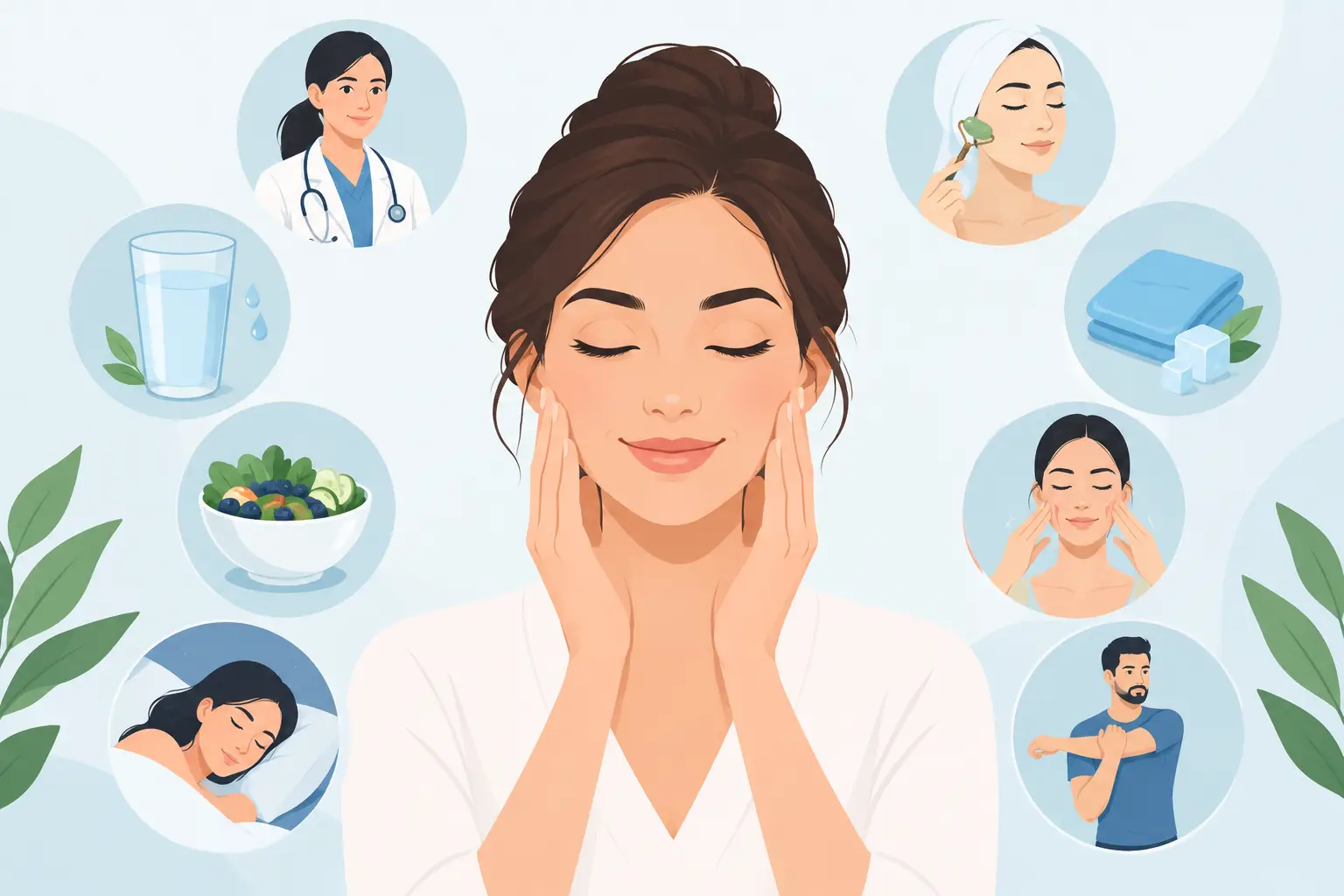
The goal is to support fluid movement without irritating the skin or treating the face too aggressively. Start with a cool, not freezing, compress for a few minutes. A clean flannel soaked in cool water is often enough to make the eye area feel fresher and more comfortable. Extremely cold tools can be unpleasant and may aggravate sensitive or reactive skin.
Follow with a gentle cleanse and a lightweight, fragrance-free moisturiser suited to your skin type. If the eye area is a concern, use your ring finger to apply product with light tapping movements rather than rubbing. The skin here is delicate, and vigorous massage may leave it looking red or more swollen.
Sleeping position can make a noticeable difference. For people who regularly wake with a puffy face, elevating the head slightly with an extra pillow may reduce overnight fluid pooling. This is a simple adjustment, but it needs to be comfortable enough not to disturb your sleep or place strain on your neck.
Look beyond skincare: common reasons the face looks puffy
A salty evening meal can cause the body to retain more water, while alcohol may disrupt sleep and leave the complexion looking dull and swollen the following morning. Neither needs to be permanently off limits, but moderation and hydration are more reliable strategies than trying to compensate with harsh treatments the next day.
Dehydration can also contribute. When fluid intake has been low, the body may hold on to water more readily. Drinking water consistently throughout the day, rather than suddenly drinking large volumes at bedtime, is generally a more sensible habit. This is particularly relevant after exercise, travel or a night out.
Poor sleep is another frequent contributor. A short night can affect circulation, increase the appearance of under-eye puffiness and make the skin look less rested overall. Aim for a regular sleep routine where possible, with enough time for genuine rest rather than simply being in bed.
Seasonal allergies and congestion can create swelling around the eyes and upper cheeks. If this is a recurring pattern, speak to a pharmacist or GP about appropriate allergy management rather than relying solely on cosmetic solutions. Similarly, some prescribed medicines can contribute to fluid retention, so any concerns should be discussed with the clinician who prescribed them.
Gentle facial massage and lymphatic drainage
Light facial massage can help some people feel less congested, especially when puffiness is mild and temporary. Use clean hands, plenty of slip from your skincare product, and feather-light pressure. Work from the centre of the face outwards towards the ears, then gently down the sides of the neck. The purpose is not to sculpt the face forcefully or “break up” fluid. It is to encourage a relaxing, gentle drainage routine.
Consistency matters more than intensity. Two or three calm minutes in the morning may be useful, whereas prolonged rubbing, gua sha performed with heavy pressure or repeated pulling at the eye area can cause irritation. If you have active acne, rosacea, eczema, broken skin, recent injectables or a history of facial swelling, seek tailored guidance before introducing massage tools.
Professional lymphatic drainage may be considered where appropriate as part of a broader wellbeing or aesthetic plan. It should never be presented as a cure for unexplained swelling, and the correct approach depends on medical history, skin condition and the reason puffiness has developed.
Adjust the habits that influence fluid retention
There is no need for restrictive cleanses or expensive supplements to support a less puffy appearance. The most useful foundations tend to be unglamorous but effective: adequate water, balanced meals, regular movement and consistent sleep.
Pay attention to patterns for two weeks. You may notice that puffiness is worse after restaurant meals, poor sleep, alcohol, certain phases of your menstrual cycle, travel or prolonged screen time. A brief note on your phone can reveal more than changing five products at once.
Regular movement helps circulation and general wellbeing. A walk, gym session or Pilates class may make a greater difference to your overall appearance than another quick-fix skincare purchase. The aim is not to eliminate every fluctuation in your face – some day-to-day change is normal – but to support your body well enough that swelling settles naturally.
Can aesthetic treatments help with facial puffiness?
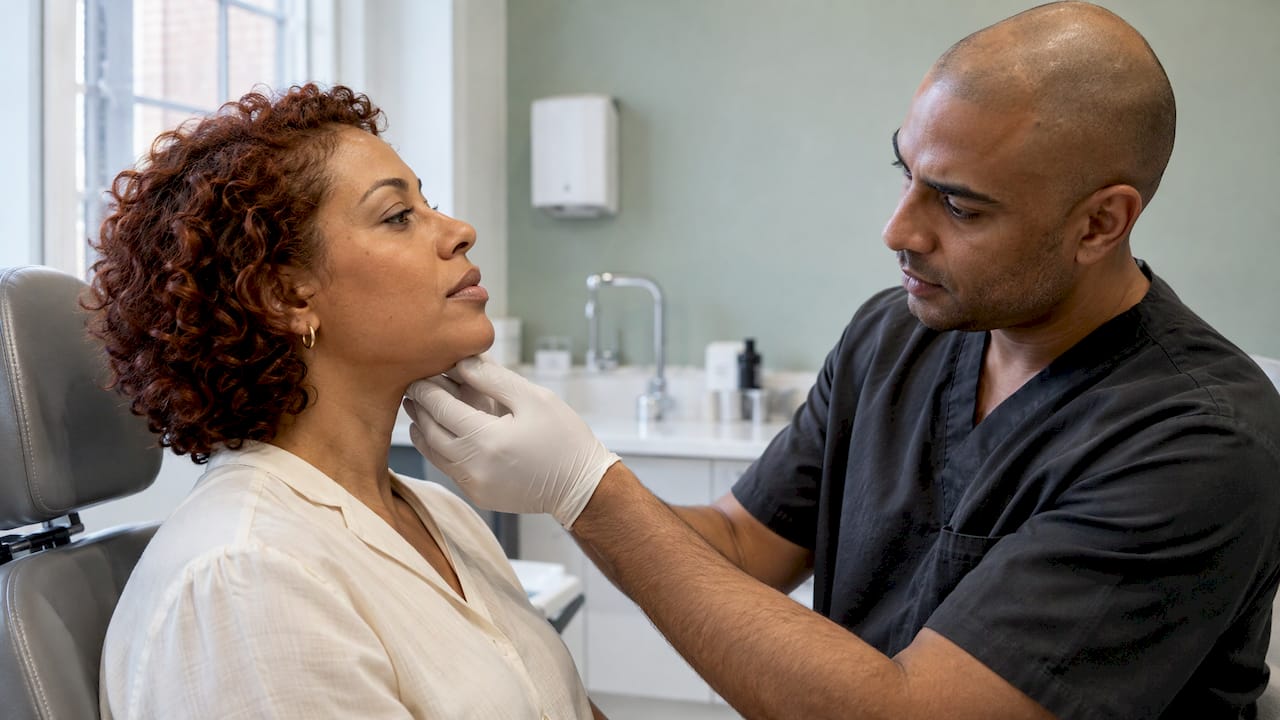
First, it is essential to distinguish puffiness from structural concerns. What appears to be swelling may actually be under-eye bags, skin laxity, loss of cheek support, facial volume changes or a combination of factors. Treating one as the other can produce disappointing results, which is why a consultation-led assessment matters.
For example, dermal filler is not a universal answer for a puffy under-eye area. In the wrong circumstances, adding volume can make the area look heavier. Equally, dissolving fat or using skin-tightening treatments without understanding the underlying anatomy may not address the concern. A skilled practitioner will assess facial proportions, tissue quality, existing volume and your medical history before recommending any procedure.
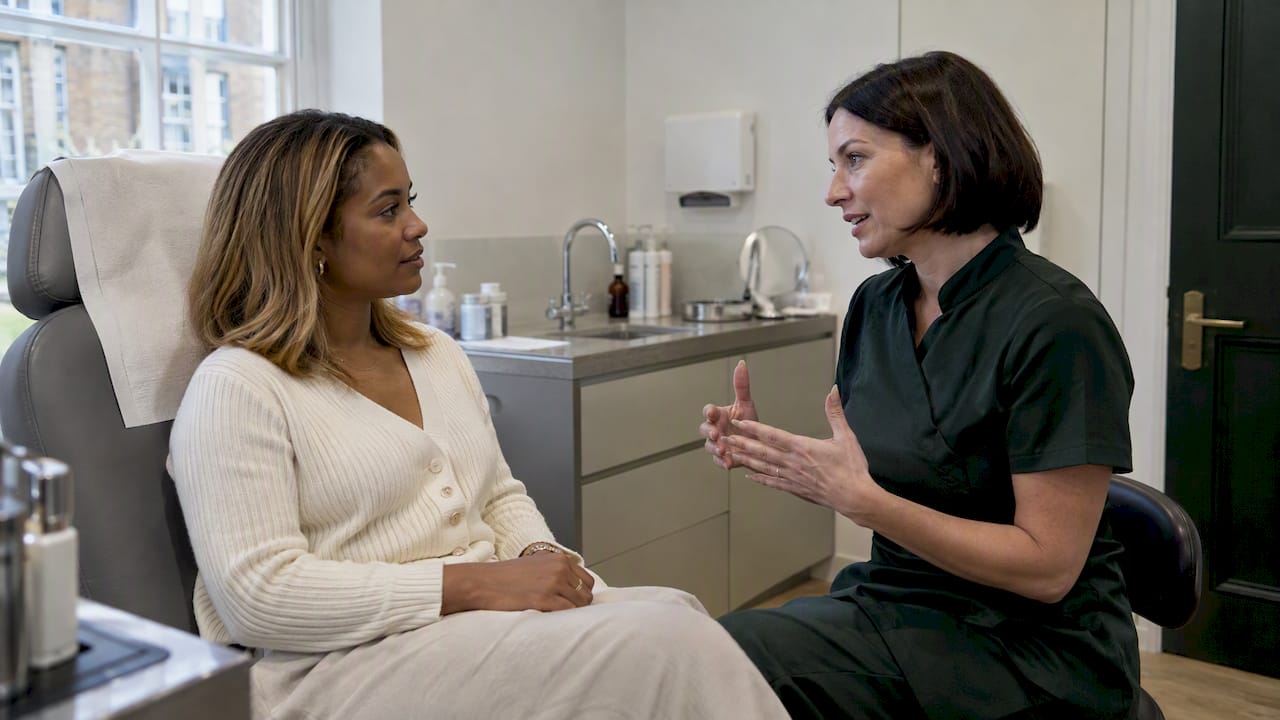
At The Aesthetics Room, bespoke planning begins with listening to what has changed, what concerns you and what outcome would feel natural to you. Depending on the assessment, the most suitable option may be a skin-quality treatment, a carefully planned approach to facial balance, wellbeing support or no aesthetic treatment at all. Responsible care includes knowing when a concern should be investigated medically first.
When facial puffiness needs medical advice
Most morning puffiness improves within hours. But seek urgent medical attention if swelling is sudden, severe, painful, affects one side of the face, follows an injury, or occurs with breathing difficulty, lip or tongue swelling, rash, fever, dental pain or changes to vision.
Arrange a GP appointment if swelling is persistent, repeatedly worsening or accompanied by unexplained weight changes, fatigue, breathlessness or swelling elsewhere in the body. These symptoms can have causes that are not cosmetic and should be assessed appropriately.
Avoid attempting to conceal persistent swelling with unregulated treatments, excessive massage or treatments purchased without a proper consultation. Your face deserves a measured approach, particularly around the eyes and jawline where anatomy is complex.
A fresher-looking face is often the result of small, repeatable choices rather than a dramatic intervention. Start by noticing your personal triggers, be gentle with your skin and give temporary puffiness time to settle. If the concern does not reflect your usual face or confidence, a thoughtful professional assessment can provide clarity – and a plan that is genuinely right for you.