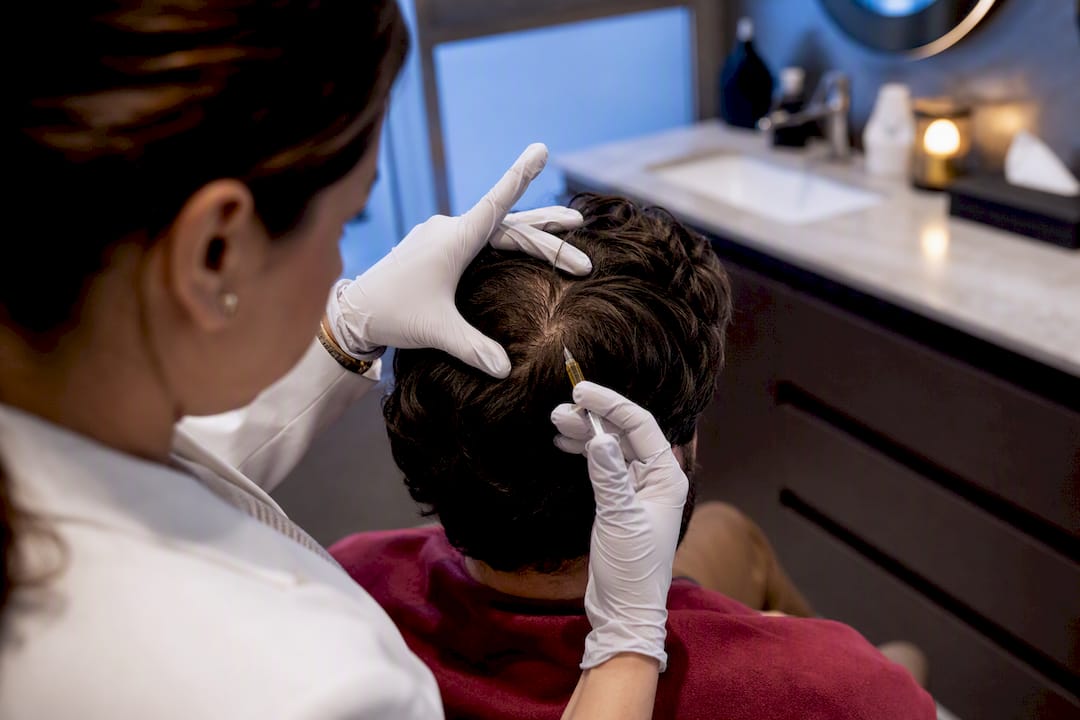


For sophisticated british clients in London, the decision between Botox and fillers is not just about preference—it is an investment in confidence and natural beauty. With over one million injectable procedures performed annually across the United Kingdom, choosing the right treatment has never been more relevant. Understanding how these options differ allows discerning individuals to tailor their aesthetic journey, ensuring refreshed results that truly reflect personal style and elevated expectations.
Table of Contents
- Botox And Fillers Explained – Core Definitions
- Types, Ingredients, And How They Work
- Treatment Areas And Expected Outcomes
- Duration, Reversibility, And Maintenance Needs
- Risks, Regulation, And Safety Standards (UK)
- Costs, Myths, And Choosing The Best Option
Key Takeaways
| Point | Details |
|---|---|
| Understanding Treatments | Botox relaxes muscles to smooth dynamic wrinkles, while dermal fillers restore volume and enhance facial contours. |
| Treatment Duration | Botox results last approximately 3-4 months, whereas dermal fillers can last between 6-18 months depending on formulation. |
| Cost Considerations | Prices for Botox range from £200-£350, and dermal fillers typically range from £300-£800 per treatment area in the UK. |
| Consultation Importance | Always consult with a qualified practitioner for a personalised treatment plan and to ensure safe and effective results. |
Botox and Fillers Explained – Core Definitions
In the sophisticated world of aesthetic treatments, understanding the fundamental differences between Botox and dermal fillers is crucial for anyone considering non-surgical cosmetic enhancements. While both treatments aim to rejuvenate and refresh one’s appearance, they operate through distinctly different mechanisms. Botox treatments primarily target dynamic wrinkles caused by muscle movement, temporarily relaxing specific facial muscles to smooth out lines and prevent further creasing.
Dermal fillers, in contrast, work by adding volume and plumping specific areas of the face where natural collagen and fat have diminished. Dermal fillers are typically composed of hyaluronic acid, a substance naturally found in the human body, which helps restore lost volume, soften static wrinkles, and enhance facial contours. These injectable treatments can address concerns like thin lips, hollow cheeks, deep nasolabial folds, and diminished facial structure that naturally occurs with ageing.
The core distinction lies in their primary function: Botox relaxes muscles to reduce dynamic wrinkles, while fillers restore volume and smooth static lines. Botox is most effective on areas like forehead lines, crow’s feet, and frown lines between the eyebrows. Dermal fillers excel at enhancing cheek volume, defining jawlines, plumping lips, and softening deeper facial creases. Both treatments require precise application by trained medical professionals to achieve natural, balanced results that complement an individual’s unique facial structure.
Pro tip: Always schedule a comprehensive consultation with a qualified aesthetic practitioner who can assess your specific facial anatomy and recommend a personalised treatment plan tailored to your aesthetic goals.
Here’s a concise comparison of Botox and dermal fillers across essential factors for easy reference:
| Aspect | Botox | Dermal Fillers |
|---|---|---|
| Main purpose | Smooths dynamic wrinkles | Restores facial volume |
| Typical ingredients | Purified botulinum toxin | Hyaluronic acid, other fillers |
| Key treatment areas | Forehead, crow’s feet, frown lines | Cheeks, lips, jawline, nasolabial folds |
| Results onset | 3-7 days | Immediate |
| Average duration | 3-4 months | 6-18 months |
| Reversibility | Gradually fades | Some can be dissolved |
| Practitioner requirements | Medical credentials essential | Medical credentials essential |
| Typical UK cost per area | £200-£350 | £300-£800 |
Types, Ingredients, and How They Work
Botox and dermal fillers represent two distinct categories of injectable cosmetic treatments, each with unique compositions and mechanisms of action. Dermal fillers typically contain hyaluronic acid, a naturally occurring substance in the body that attracts and retains moisture, providing immediate volume and hydration to targeted facial areas. These fillers come in various formulations, including soft tissue fillers designed for delicate areas like lips, and more robust options for structural facial enhancement such as cheek and jawline contouring.
Botox, derived from botulinum toxin, operates through a completely different physiological mechanism. By temporarily blocking nerve signals to specific muscles, Botox treatments create a controlled muscle relaxation that smooths dynamic wrinkles. The most common types include Type A neurotoxins, which are precisely formulated to target muscle movement in areas prone to repetitive facial expressions like the forehead, around the eyes, and between the eyebrows.

The ingredients in these treatments vary significantly. Hyaluronic acid-based dermal fillers typically include variations like calcium hydroxylapatite, poly-L-lactic acid, and polymethylmethacrylate microspheres, each offering different longevity and tissue integration properties. Botox, conversely, relies on highly purified neurotoxin proteins that temporarily interrupt muscle nerve communication. The concentration and specific formulation determine the treatment’s effectiveness, duration, and potential spread across facial muscle groups.
Pro tip: Request a comprehensive patch test and detailed consultation to understand how different filler and Botox formulations might interact with your unique skin chemistry and aesthetic goals.
Treatment Areas and Expected Outcomes
Botox and dermal fillers target distinct facial concerns with precise, tailored approaches. Treatment areas for injectables differ significantly based on their unique mechanisms. Botox excels in treating dynamic wrinkles caused by repetitive muscle movements, primarily addressing areas like the forehead, between the eyebrows (glabellar lines), and around the eyes (crow’s feet). These regions experience frequent muscle contractions from facial expressions, making them ideal for neurotoxin interventions that temporarily relax underlying muscle activity.
Dermal fillers, in contrast, are strategically used for volume restoration and contouring in areas experiencing age-related volume loss. These include the cheeks, nasolabial folds, lips, under-eye hollows, and jawline. Unlike Botox’s muscle-relaxing effect, fillers physically plump and restructure facial tissues, providing immediate volume and softening static wrinkles that remain visible even when facial muscles are at rest.
The expected outcomes of these treatments vary based on individual facial anatomy and aesthetic goals. Botox typically produces smoother, more relaxed skin texture within 3-7 days, with results lasting approximately 3-4 months. Dermal fillers offer more immediate visual changes, with volume enhancement and wrinkle reduction visible instantly and lasting between 6-18 months, depending on the specific filler formulation and treatment area. Both treatments require skilled application to ensure natural-looking results that complement the individual’s facial structure and age-related changes.
To help clarify which treatment best matches common facial concerns, review the table below:
| Facial Concern | Best Suitability | Rationale |
|---|---|---|
| Forehead lines | Botox | Targets muscle movement |
| Thin lips | Dermal Fillers | Adds lip volume instantly |
| Hollow cheeks | Dermal Fillers | Restores lost fullness |
| Crow’s feet | Botox | Smooths expression lines |
| Deep folds (e.g. nasolabial) | Dermal Fillers | Plumps static wrinkles |
| Jawline definition | Dermal Fillers | Enhances contour structure |
Pro tip: Consult with a qualified aesthetic practitioner who can perform a comprehensive facial assessment and recommend a personalised treatment plan combining Botox and fillers for optimal, balanced rejuvenation.
Duration, Reversibility, and Maintenance Needs
Botox and dermal fillers demonstrate distinct characteristics in terms of treatment duration, metabolic breakdown, and ongoing maintenance requirements. Botox treatments typically provide temporary muscle relaxation lasting approximately 3-4 months, with the neurotoxin gradually being metabolised by the body’s natural processes. This predictable timeline allows patients to plan periodic treatments to maintain their desired aesthetic effect, with muscle activity slowly returning to its original state after the treatment’s peak effectiveness.
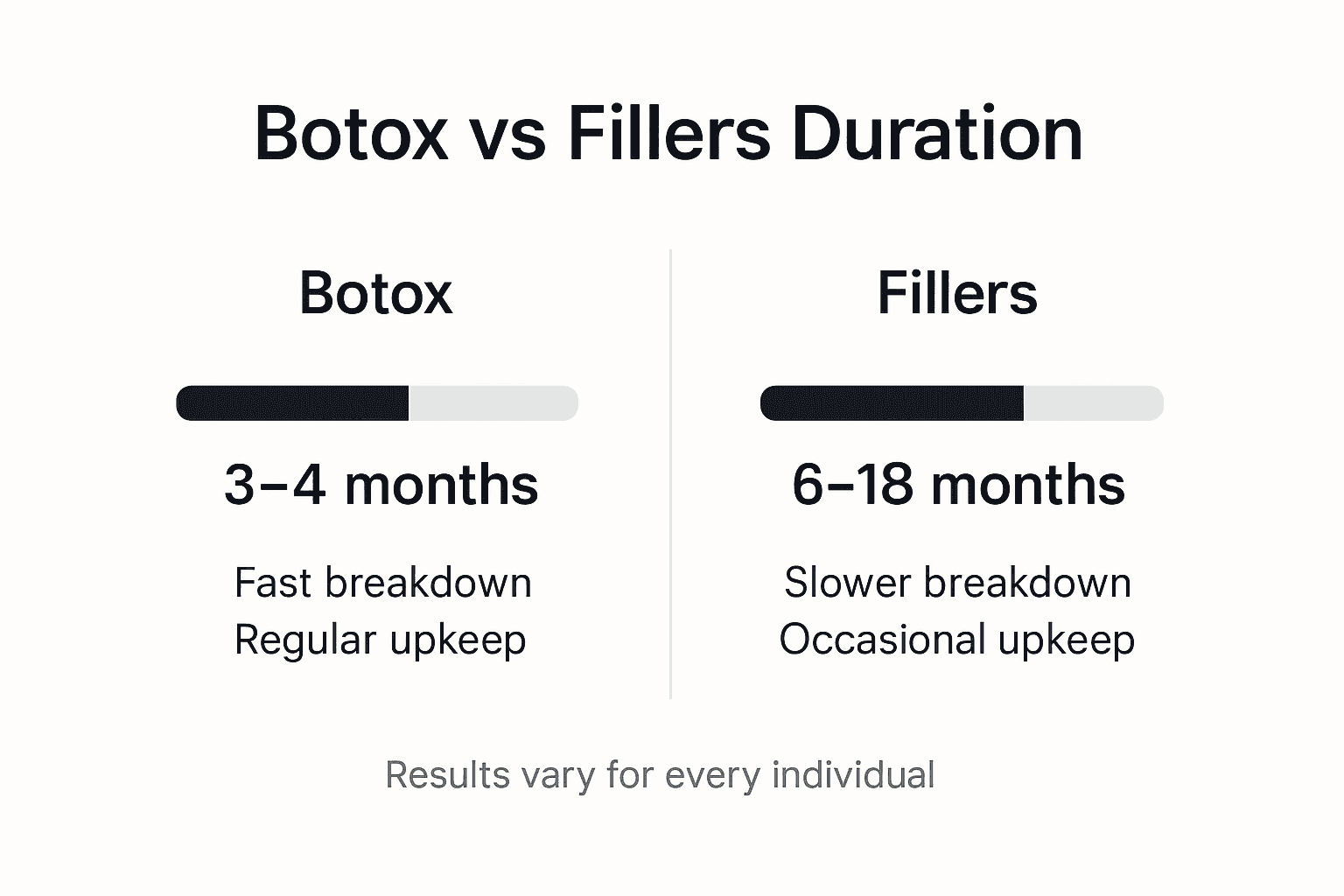
Dermal fillers offer more varied duration depending on their specific formulation and treatment area. Dermal fillers can last between 6-18 months, with hyaluronic acid-based options providing more temporary results and more robust formulations offering longer-lasting volume enhancement. Unlike Botox, many dermal fillers can be partially or fully reversed using hyaluronidase, an enzyme that breaks down hyaluronic acid-based products, providing patients with additional flexibility and control over their aesthetic outcomes.
Maintenance for both treatments requires a personalised approach. Botox typically necessitates recurring treatments every 3-4 months to sustain muscle relaxation and wrinkle reduction. Dermal fillers may require less frequent touch-ups, with some formulations maintaining volume for up to 18 months. Individual factors such as metabolism, age, lifestyle, and skin condition significantly influence the longevity and effectiveness of these treatments. Regular consultations with a qualified aesthetic practitioner help develop a tailored maintenance strategy that adapts to changing facial characteristics and aesthetic goals.
Pro tip: Develop a consistent treatment schedule with your aesthetic professional, tracking how your body responds to ensure optimal, natural-looking results over time.
Risks, Regulation, and Safety Standards (UK)
The landscape of aesthetic treatments in the United Kingdom has undergone significant regulatory transformation, with stringent safety protocols now governing Botox and dermal filler procedures. Government regulatory frameworks have been implemented to protect patients, establishing comprehensive guidelines that mandate professional qualifications, clinic licensing, and strict operational standards for practitioners administering injectable cosmetic treatments.
Key safety considerations encompass multiple dimensions of patient protection. Practitioners must hold recognised qualifications, demonstrate professional competence, and adhere to rigorous medical standards. Specific restrictions include prohibiting treatments for individuals under 18 years old, ensuring comprehensive patient consultations, and maintaining detailed medical records. These regulations aim to mitigate potential risks such as allergic reactions, infection, asymmetry, and rare but serious complications like tissue necrosis or vascular occlusion that can occur with improper injection techniques.
The regulatory environment continues to evolve, with increasing emphasis on practitioner accountability and patient safety. Medical professionals must maintain current certifications, participate in ongoing training, and follow evidence-based protocols for assessment, treatment, and post-procedure care. Clinics are now required to implement robust consent processes, provide detailed treatment explanations, and ensure patients understand potential risks and expected outcomes. Professional bodies like the Care Quality Commission (CQC) play a crucial role in monitoring and enforcing these standards, conducting regular inspections to maintain high-quality aesthetic care across the United Kingdom.
Pro tip: Always verify a practitioner’s current professional credentials and CQC registration before proceeding with any injectable cosmetic treatment.
Costs, Myths, and Choosing the Best Option
The world of aesthetic treatments involves navigating complex decisions about cost, effectiveness, and individual suitability. Pricing for Botox and dermal fillers varies significantly, typically ranging from £200-£800 per treatment area in London, depending on the clinic’s reputation, practitioner expertise, and specific product used. Factors influencing cost include the practitioner’s qualifications, geographical location, and the complexity of the desired aesthetic outcome.
Addressing common myths about injectables is crucial for making an informed decision. Contrary to popular belief, these treatments do not create an artificially frozen or expressionless appearance when administered by skilled professionals. The treatments are not addictive, nor do they permanently alter facial structure. Each treatment can be tailored to achieve natural-looking results that enhance an individual’s existing features, with the option to discontinue treatments without permanent consequences.
Choosing between Botox and dermal fillers requires a personalised approach. Consider your specific aesthetic goals, budget, and natural facial structure. Botox works best for dynamic wrinkles caused by muscle movement, ideal for individuals noticing early signs of ageing around the eyes, forehead, and between eyebrows. Dermal fillers are more suitable for those seeking volume restoration, lip enhancement, or addressing static wrinkles and facial contour loss. A comprehensive consultation with a qualified aesthetic practitioner can help determine the most appropriate treatment strategy, potentially combining both approaches for optimal results.
Pro tip: Schedule consultations with multiple reputable practitioners to compare assessments, ensuring you receive a comprehensive and personalised treatment recommendation.
Discover Your Perfect Cosmetic Solution Today
Choosing between Botox and dermal fillers can feel overwhelming when faced with concerns like dynamic wrinkles or loss of facial volume. This article has highlighted the key differences in how these treatments work and their ideal uses for conditions such as forehead lines or hollow cheeks. If you are looking for personalised care that addresses these specific aesthetic goals with proven safety and natural-looking results, help is at hand.
Explore our range of expertly delivered treatments with Anti Wrinkle – The Aesthetics Room for Botox solutions and Dermal Fillers – The Aesthetics Room to restore volume and contour your features. At our premium Knightsbridge clinic, every treatment is tailored to your unique facial structure and aesthetic aspirations, performed by highly trained specialists committed to your wellbeing.

Ready to take the next step with confidence and clarity in your cosmetic journey Visit The Aesthetics Room now to book your comprehensive consultation and begin enhancing your natural beauty with cutting-edge, safe, and effective injectables designed just for you.
Frequently Asked Questions
What is the main difference between Botox and dermal fillers?
Botox primarily targets dynamic wrinkles caused by muscle movement by relaxing the facial muscles, while dermal fillers restore volume and plump areas of the face affected by ageing.
How long do the results from Botox and fillers typically last?
Botox results last approximately 3-4 months, whereas dermal fillers can last between 6 to 18 months, depending on the specific formulation used.
Are Botox and dermal fillers safe?
Yes, both treatments can be safe when administered by qualified professionals who adhere to proper safety protocols and regulations.
Can I combine Botox and fillers in my treatment plan?
Yes, many patients opt for a combination of Botox and fillers to achieve balanced, natural-looking rejuvenation that addresses both dynamic and static wrinkles.