

More than 80 percent of British adults considering aesthetic treatments now demand personalised, non-invasive options that promise both subtlety and safety. For affluent Londoners who value confidence and a polished appearance, a comprehensive medical consultation is more than just a box to tick. Understanding what defines a truly professional consultation unveils how expert advice, rigorous safety standards, and tailored treatment planning create results that look natural and support lasting self-assurance.
Table of Contents
- Defining Consultation In Aesthetic Medicine
- Personalising Treatment Plans For Each Client
- Safety Protocols And Regulatory Compliance
- Managing Expectations And Informed Consent
- Avoiding Common Consultation Pitfalls
Key Takeaways
| Point | Details |
|---|---|
| Importance of Consultation | A thorough medical aesthetic consultation is crucial for aligning patient expectations with professional assessments to ensure safety and suitability for treatments. |
| Personalisation of Treatment | Tailoring aesthetic treatments to individual patient characteristics enhances effectiveness and satisfaction, with advanced technologies like AI aiding in this process. |
| Regulatory Compliance | Adhering to safety protocols and maintaining transparency about treatment risks and limitations are essential for protecting patient wellbeing and ensuring ethical practice. |
| Expectation Management | Open discussions and realistic assessments of treatment outcomes help manage patient expectations, reducing the likelihood of dissatisfaction and promoting informed consent. |
Defining Consultation in Aesthetic Medicine
A medical aesthetic consultation represents a critical preliminary assessment that bridges patient expectations with professional medical expertise. This structured interaction serves as a foundational step in determining the suitability, safety, and potential outcomes of cosmetic treatments. According to the Joint Council for Cosmetic Practitioners guidelines, only registered healthcare professionals can definitively assess whether a procedure offers genuine therapeutic benefit by thoroughly evaluating a patient’s physical and psychological profile.
The consultation process goes far beyond simple treatment selection. It involves a comprehensive review of medical history, previous cosmetic procedures, psychological readiness, and potential contraindications. Clinical research highlights that repeated dissatisfaction with previous treatments might indicate underlying psychological factors such as unrealistic expectations or potential body dysmorphic disorder, which could preclude further aesthetic interventions.
Key components of a professional aesthetic consultation typically include:
- Comprehensive medical history review
- Current health status assessment
- Discussion of patient’s aesthetic goals
- Professional evaluation of treatment suitability
- Detailed explanation of potential risks and expected outcomes
- Personalised treatment recommendation
Pro Tip: Patient Safety First: Always prioritise choosing a consultation with a registered healthcare professional who conducts thorough, multi-dimensional assessments rather than rushing into aesthetic treatments based on superficial evaluations.
Personalising Treatment Plans for Each Client
Aesthetic medicine demands a nuanced approach where treatment personalisation becomes paramount. Comprehensive consultations are essential for developing tailored interventions that address individual patient characteristics. These personalised plans consider multiple critical factors including medical history, facial structure, lifestyle constraints, aesthetic goals, and psychological readiness.
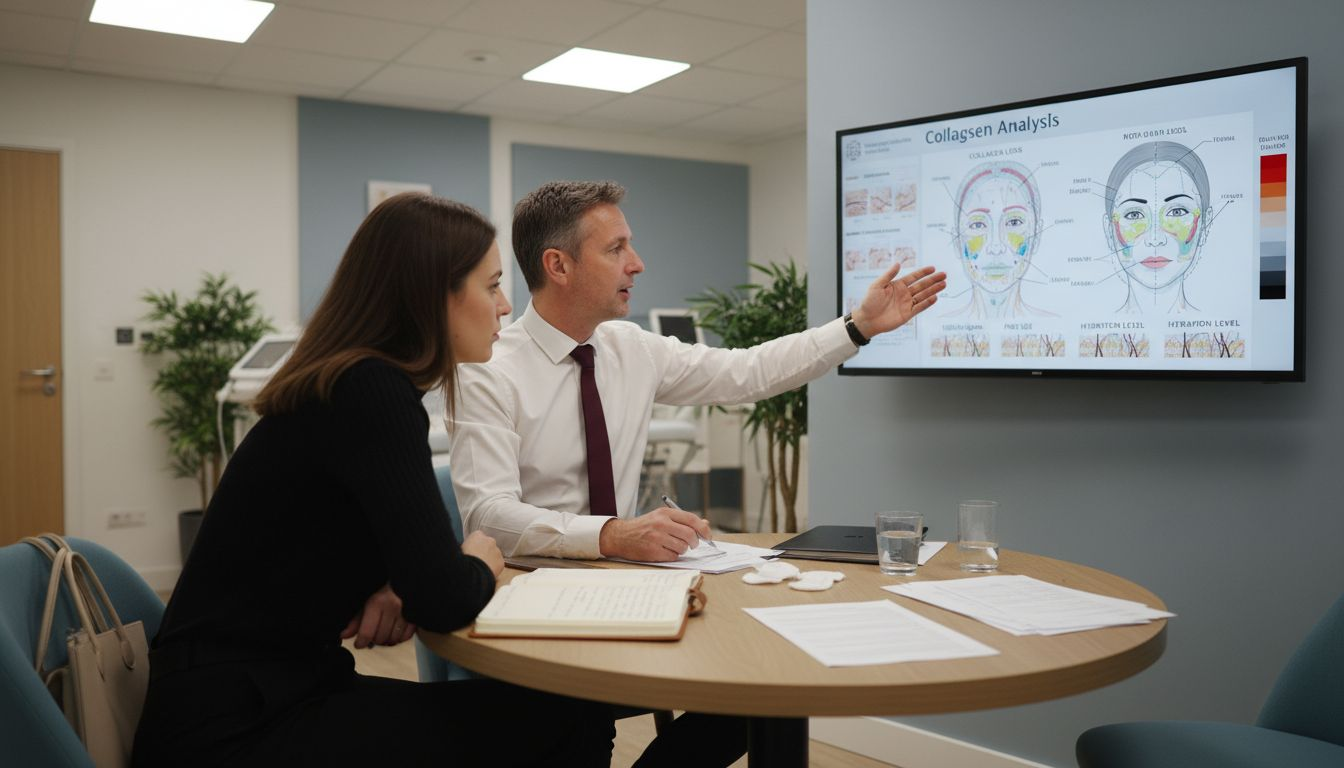
Modern aesthetic practices now leverage advanced diagnostic technologies to enhance treatment customisation. Artificial Intelligence systems are revolutionising treatment planning by analysing patient data with unprecedented precision. These sophisticated algorithms can evaluate skin condition, predict potential treatment outcomes, and recommend interventions uniquely suited to each client’s physiological profile.
Here is a comparison of traditional versus AI-enhanced consultation in aesthetic medicine:
| Aspect | Traditional Consultation | AI-Enhanced Consultation |
|---|---|---|
| Assessment Scope | Based on practitioner experience | Data-driven, highly precise |
| Time Efficiency | May be lengthy and manual | Faster analysis with algorithms |
| Personalisation | Customised via manual evaluation | Tailored using patient data |
| Outcome Predictability | Relies on professional judgement | Enhanced by predictive analytics |
Key elements in developing a personalised aesthetic treatment plan include:
- Detailed medical history assessment
- Comprehensive facial and skin analysis
- Understanding patient’s aesthetic objectives
- Evaluating psychological readiness
- Considering lifestyle and recovery capabilities
- Establishing realistic expectations
- Determining appropriate intervention strategies
Pro Tip: Client Consultation Mastery: Always allocate sufficient time during initial consultations to gather comprehensive information, as thorough understanding forms the foundation of genuinely personalised aesthetic treatments.
Safety Protocols and Regulatory Compliance
Patient safety represents the cornerstone of ethical aesthetic medicine, demanding rigorous adherence to comprehensive regulatory standards. Practitioners must maintain absolute transparency with patients regarding treatment costs, potential outcomes, and inherent limitations. This commitment extends beyond mere medical procedure to encompass a holistic approach of protecting patient psychological and physical wellbeing.
The regulatory landscape for aesthetic treatments involves multiple layers of compliance. Healthcare professionals must navigate stringent guidelines that prohibit misleading advertising, protect vulnerable populations, and ensure informed consent. Key regulatory principles include preventing exploitation of patient insecurities, avoiding marketing to individuals under 18, and providing comprehensive, honest information about potential treatment risks and expected outcomes.
Critical safety protocols in aesthetic medicine encompass:
- Comprehensive patient medical screening
- Detailed informed consent processes
- Thorough documentation of patient consultations
- Ongoing professional development and training
- Adherence to strict infection control standards
- Maintenance of professional indemnity insurance
- Regular review of treatment protocols and emerging best practices
Pro Tip: Compliance Vigilance: Regularly update your knowledge of current regulatory requirements and invest in continuous professional training to maintain the highest standards of patient safety and professional excellence.
Managing Expectations and Informed Consent
Managing patient expectations represents a critical dimension of aesthetic medicine that extends far beyond medical procedure. Practitioners must implement strategic approaches to ensure patients have sufficient time for informed decision-making, including offering a structured cooling-off period between initial consultation and potential treatment. This approach protects patients from impulsive decisions and ensures they thoroughly comprehend the nuanced implications of their chosen aesthetic intervention.
A comprehensive consultation process enables practitioners to explore patients’ underlying motivations, emotional attributes, and potential psychological considerations. By conducting an in-depth analysis, medical professionals can identify potential mental health factors, establish realistic treatment expectations, and develop a holistic approach that prioritises patient wellbeing over purely aesthetic outcomes.
Key elements of effective expectation management include:
- Transparent discussion of potential treatment outcomes
- Realistic visualisation of achievable results
- Comprehensive explanation of potential risks
- Exploration of patient’s psychological readiness
- Detailed breakdown of recovery processes
- Open dialogue about limitations of aesthetic interventions
- Consideration of individual physiological variations
Pro Tip: Expectation Alignment: Always encourage patients to articulate their specific aesthetic goals during consultation, and systematically compare these expectations against medically achievable outcomes to prevent potential disappointment.
The following table summarises how safety, personalisation, and expectation management each contribute uniquely to optimal aesthetic consultations:
| Dimension | Core Focus | Practitioner Benefit | Patient Benefit |
|---|---|---|---|
| Safety Protocols | Regulatory compliance | Risk mitigation, legal protection | Reduced risk of complications |
| Personalisation | Tailored treatment | Enhanced treatment effectiveness | Improved satisfaction, natural results |
| Expectation Management | Realistic outcomes | Fewer complaints, increased trust | Informed consent, reduced disappointment |
Avoiding Common Consultation Pitfalls
Medical consultations represent a critical interface between practitioner expertise and patient expectations, requiring meticulous attention to detail and professional standards. In-person consultations are legally mandated for certain treatments, particularly prescription-based interventions like botulinum toxin, ensuring direct patient assessment and maintaining rigorous safety protocols.

Practitioners must conduct thorough, comprehensive consultations that go beyond superficial assessment, focusing intensely on understanding patient medical history, underlying concerns, and realistic expectations. Remote consultations often prove insufficient for accurately evaluating patient suitability, potentially compromising treatment effectiveness and patient safety.
Common consultation pitfalls practitioners should actively avoid include:
- Rushing through medical history review
- Failing to explore patient’s psychological motivations
- Overlooking potential contraindications
- Making unrealistic treatment promises
- Neglecting to explain potential risks comprehensively
- Inadequate documentation of patient discussions
- Ignoring patient’s emotional readiness for intervention
Pro Tip: Consultation Precision: Always allocate sufficient time during initial consultations to conduct a holistic patient assessment, treating each interaction as a comprehensive diagnostic and educational opportunity rather than a transactional encounter.
Elevate Your Aesthetic Journey with Expert Consultations
Understanding the pivotal role of a detailed consultation is key to achieving safe and satisfying aesthetic results. This article highlights common challenges such as managing expectations, ensuring treatment personalisation, and prioritising patient safety through thorough medical assessments. If you have ever felt uncertain about treatment suitability or anxious about potential risks, know that these are common concerns addressed during a professional consultation.
At The Aesthetics Room, we specialise in crafting bespoke treatment plans based on comprehensive consultations that prioritise your unique goals and wellbeing. Our expert team ensures every client receives an in-depth review covering medical history, psychological readiness, and personalised recommendations. Explore our dedicated The Consultation category to learn how we make safety and personalisation central to your experience.
Take control of your aesthetic outcomes today by booking a thorough consultation with our accredited specialists in Knightsbridge. Visit https://theaestheticsroom.co.uk and discover tailored solutions including Dermal Fillers designed to enhance your natural beauty confidently and safely. Your journey to exceptional, personalised care begins with the right consultation.
Frequently Asked Questions
What is the purpose of a medical aesthetic consultation?
A medical aesthetic consultation serves as a preliminary assessment that connects patient expectations with professional medical expertise. It involves reviewing medical history, discussing aesthetic goals, and determining the suitability and safety of treatments.
How does a personalised treatment plan improve aesthetic results?
A personalised treatment plan takes into account individual medical history, facial structure, aesthetic goals, and psychological readiness, thereby enhancing the effectiveness and satisfaction of aesthetic interventions.
What safety protocols should be followed during aesthetic consultations?
Key safety protocols include comprehensive patient medical screening, informed consent processes, detailed documentation of consultations, and adherence to strict infection control standards to ensure patient safety.
Why is managing patient expectations important in aesthetic medicine?
Managing patient expectations is crucial to prevent disappointment and ensure that patients have a clear understanding of potential treatment outcomes, risks, and the recovery process, which ultimately contributes to their overall wellbeing.