

More than 60 percent of British adults feel self-conscious about tired-looking eyes, driving a growing interest in under-eye treatments. With the delicate skin beneath the eyes prone to volume loss and dark circles, finding effective solutions matters for those wanting a refreshed appearance. This guide explores how innovative tear trough fillers can address common under-eye concerns while providing clear insight into safety, procedure steps, and the options available to British patients seeking a brighter look.
Table of Contents
- Defining Tear Trough Filler Treatments
- How Tear Trough Fillers Address Under-Eye Concerns
- Types of Fillers Used and Their Differences
- Treatment Process and What to Expect
- Potential Risks, Safety Measures, and Aftercare
- Comparing Tear Trough Fillers to Alternative Solutions
Key Takeaways
| Point | Details |
|---|---|
| Tear Trough Fillers | These non-surgical treatments utilise hyaluronic acid to rejuvenate the under-eye area, addressing volume loss and creating a youthful appearance. |
| Customisation is Essential | Individual assessment by a qualified practitioner ensures tailored treatments that align with specific facial anatomy and aesthetic goals. |
| Potential Risks Exist | While generally safe, potential side effects include bruising and swelling; therefore, selecting an experienced practitioner is crucial. |
| Comparative Options | Tear trough fillers offer immediate, natural-looking results with minimal invasiveness compared to surgical alternatives. |
Defining Tear Trough Filler Treatments
A tear trough filler is an advanced non-surgical cosmetic procedure designed to rejuvenate and revitalise the delicate under-eye area by addressing volume loss and structural changes. Tear trough fillers utilise hyaluronic acid-based dermal fillers strategically injected beneath the eyes to restore lost volume, reduce shadowing, and create a more youthful, refreshed appearance.
The treatment specifically targets the tear trough region, which is the deep groove between the lower eyelid and upper cheek that can develop with age, creating a tired or hollowed look. By carefully introducing dermal fillers into this anatomical region, practitioners can smooth out depressions, minimise dark circles, and create a more seamless transition between the eye and cheek areas. These highly specialised injectable treatments require significant expertise, as the under-eye area is extremely delicate and demands precise technique.
Primary characteristics of tear trough fillers include:
- Immediate volumisation of under-eye hollows
- Reduction of dark circles and shadowing
- Minimal invasiveness compared to surgical alternatives
- Temporary but impactful aesthetic improvements
- Customisable treatment approaches based on individual facial anatomy
Pro Tip – Consultation is Key: Always schedule a comprehensive consultation with a qualified aesthetic practitioner who can assess your specific under-eye concerns and recommend the most appropriate treatment approach tailored to your unique facial structure.
How Tear Trough Fillers Address Under-Eye Concerns
Under-eye concerns such as hollowness, dark circles, and shadowing can significantly impact facial appearance and perceived age. Tear trough fillers offer a sophisticated solution by addressing dermal fillers strategically to restore volume, smooth transitions, and rejuvenate the delicate periorbital region.
The treatment targets multiple aesthetic challenges simultaneously. Volume loss in the tear trough area creates shadowing and a tired appearance, which occurs naturally with ageing as collagen production decreases and facial fat pads diminish. By carefully introducing hyaluronic acid-based dermal fillers, practitioners can:
- Lift and plump the under-eye area
- Reduce the appearance of dark circles
- Create a more seamless transition between the lower eyelid and cheek
- Minimise the visual impact of fine lines and wrinkles
- Restore a more youthful, refreshed aesthetic
Professional practitioners assess individual facial anatomy to determine precise filler placement, ensuring natural-looking results that enhance rather than dramatically alter one’s appearance. The treatment’s customisable nature allows for nuanced improvements tailored to each patient’s unique facial structure and aesthetic goals.

Pro Tip – Individual Assessment Matters: Always seek a personalised consultation to understand how tear trough fillers can be specifically optimised for your unique facial characteristics and aesthetic objectives.
Types of Fillers Used and Their Differences
Tear trough treatments utilise various dermal filler types, each with unique characteristics designed to address specific aesthetic concerns. Dermal fillers represent a sophisticated range of injectable treatments that can be strategically selected based on individual patient requirements and anatomical considerations.
The primary types of fillers used in tear trough treatments include:
- Hyaluronic Acid Fillers: The gold standard for under-eye treatments
- Soft, malleable consistency
- Natural-looking results
- Temporary effect lasting 9-12 months
- Brands like Restylane and Juvederm
- Calcium Hydroxylapatite Fillers: More robust volumising option
- Stimulates collagen production
- Longer-lasting results (12-18 months)
- Provides more structural support
- Poly-L-lactic Acid Fillers: Collagen-stimulating treatments
- Gradual volume restoration
- Helps improve skin texture
- Results develop over several months
Professional practitioners carefully assess individual facial anatomy, skin quality, and aesthetic goals to determine the most appropriate filler type. The selection process involves considering factors such as volume loss, skin thickness, and desired aesthetic outcome.
Here is a summary distinguishing key types of fillers used in tear trough treatments:
| Filler Type | Core Benefit | Longevity | Notable Suitability |
|---|---|---|---|
| Hyaluronic Acid | Soft, subtle volume | 9-12 months | Most under-eye patients |
| Calcium Hydroxylapatite | Strong structural support | 12-18 months | Deeper hollows, robust results |
| Poly-L-lactic Acid | Gradual collagen stimulation | Several months | Texture improvement focus |
Pro Tip – Personalised Selection: Request a comprehensive consultation to understand which filler type best matches your specific under-eye concerns and aesthetic objectives.
Treatment Process and What to Expect
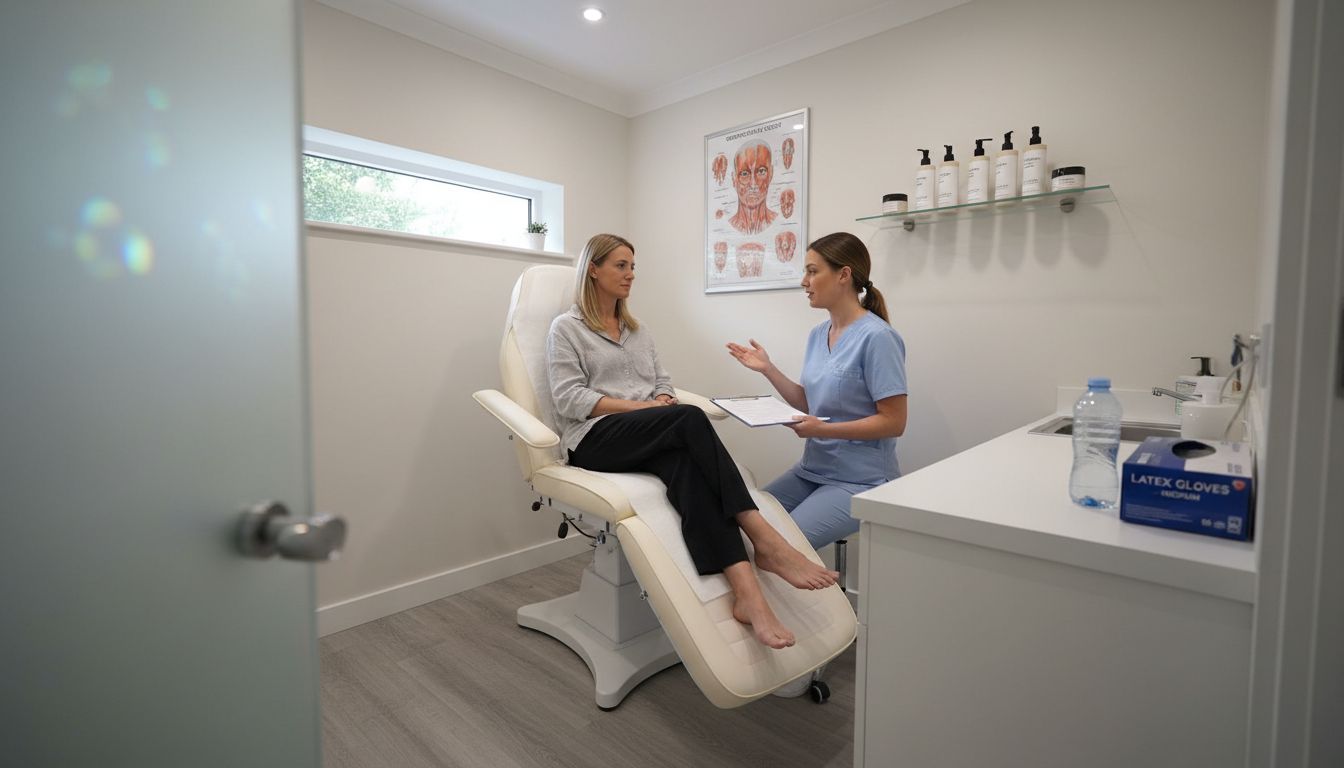
Tear trough filler treatments are precision procedures that require careful planning and expert execution. Patients considering this treatment will typically begin with a comprehensive dermal fillers consultation to assess individual aesthetic goals, facial anatomy, and potential treatment approaches.
The typical treatment process unfolds through several key stages:
- Initial Consultation
- Detailed facial assessment
- Discussion of aesthetic objectives
- Medical history review
- Treatment plan customisation
- Pre-Treatment Preparation
- Skin cleansing and disinfection
- Topical anaesthetic application
- Precise measurement and marking of injection sites
- Injection Procedure
- Careful filler placement using micro-injection techniques
- Gentle massage to ensure even distribution
- Real-time assessment of symmetry and volume
- Post-Treatment Management
- Immediate cooling to reduce potential swelling
- Aftercare instructions provided
- Follow-up scheduling
Patients can typically expect minimal discomfort during the procedure, with the entire treatment lasting approximately 30-45 minutes. Immediate results are visible, though final aesthetic outcomes develop over several weeks as the filler settles and integrates with surrounding tissues.

Pro Tip – Realistic Expectations: Always discuss potential side effects, recovery timeline, and expected outcomes thoroughly with your practitioner to ensure a comprehensive understanding of the treatment journey.
Potential Risks, Safety Measures, and Aftercare
Tear trough filler treatments, while generally safe, require meticulous attention to detail and professional expertise. Advanced practitioner training is crucial, as the delicate under-eye region demands precise technique and specialised knowledge to minimise potential complications.
Potential risks associated with tear trough treatments include:
- Temporary Side Effects
- Minor bruising
- Slight swelling
- Temporary redness
- Mild tenderness
- Rare but Serious Complications
- Vascular occlusion
- Infection
- Asymmetry
- Allergic reactions
Safety measures to mitigate risks involve comprehensive screening and practitioner selection. Key considerations include:
- Selecting a qualified, experienced aesthetic practitioner
- Thorough medical history assessment
- Use of high-quality, CE-marked dermal fillers
- Precise injection techniques
- Sterile treatment environment
- Detailed pre and post-treatment care instructions
Aftercare plays a critical role in minimising complications and optimising treatment outcomes. Patients should follow specific guidance, including avoiding intense physical activity, extreme temperatures, and direct sunlight for 24-48 hours post-treatment. Gentle massage and cold compresses can help manage minor swelling and discomfort.
Pro Tip – Risk Awareness: Always prioritise a comprehensive consultation with a certified practitioner who can provide personalised risk assessment and detailed aftercare guidance tailored to your individual health profile.
Comparing Tear Trough Fillers to Alternative Solutions
Patients seeking under-eye rejuvenation have multiple treatment options, with minimally invasive filler techniques representing a sophisticated approach to addressing aesthetic concerns. These alternatives range from surgical interventions to non-invasive treatments, each with distinct advantages and limitations.
Comparative treatment approaches include:
- Dermal Fillers
- Immediate results
- Minimal downtime
- Customisable volume restoration
- Temporary solution (6-18 months)
- Surgical Options
- Permanent fat repositioning
- More invasive procedure
- Longer recovery period
- Higher cost
- Topical Treatments
- Limited effectiveness
- Gradual, subtle improvements
- Non-invasive
- Minimal risk
- Platelet-Rich Plasma (PRP)
- Natural collagen stimulation
- Gradual results
- Less immediate volume
- Multiple treatments required
Each approach offers unique benefits, with tear trough fillers emerging as a particularly attractive option for those seeking immediate, natural-looking rejuvenation with minimal intervention. The technique’s precision allows for subtle yet transformative aesthetic improvements, addressing volume loss and structural changes with remarkable subtlety.
The following table compares tear trough filler procedures with other popular under-eye treatments:
| Solution | Speed of Results | Maintenance Needed | Degree of Invasiveness |
|---|---|---|---|
| Dermal Fillers | Immediate | Top-up each 6-18 months | Minimally invasive |
| Surgical Options | Several weeks | Often none | Highly invasive |
| Topical Treatments | Gradual | Continuous use | Non-invasive |
| Platelet-Rich Plasma | Weeks to months | Series of sessions | Minimally invasive |
Pro Tip – Personalised Approach: Consult a skilled aesthetic practitioner who can comprehensively assess your individual facial anatomy and recommend the most suitable treatment strategy tailored to your specific aesthetic objectives.
Revitalise Your Under-Eye Area with Expert Tear Trough Fillers
If under-eye hollowness and dark circles make you look fatigued or aged despite your best efforts tear trough fillers provide an effective way to restore youthful volume and brightness. The challenges of treating the delicate tear trough region require specialised knowledge and precision. At The Aesthetics Room we understand these concerns and offer comprehensive personalised treatments delivered by highly skilled practitioners in our London clinics.
Explore our Dermal Fillers – The Aesthetics Room category to learn how bespoke filler options can smooth and brighten the under-eye area with minimal downtime.

Take the first step towards refreshed eyes today. Book a consultation through The Aesthetics Room to benefit from a detailed facial assessment and tailored treatment plan that prioritises your safety and aesthetic goals. With our focus on advanced injectable techniques and personalised care you can feel confident in achieving natural, radiant results. Discover the ideal solution for your under-eye concerns and enhance your overall appearance now.
Frequently Asked Questions
What is a tear trough filler treatment?
A tear trough filler treatment is a non-surgical cosmetic procedure that uses hyaluronic acid-based dermal fillers to restore volume and rejuvenate the under-eye area, particularly addressing hollowness and dark circles.
How long do the results of tear trough fillers last?
The results typically last between 9 to 18 months, depending on the type of filler used, with hyaluronic acid fillers offering temporary solutions and some other fillers providing longer-lasting effects.
What should I expect during the tear trough filler procedure?
During the procedure, you will undergo an initial consultation, followed by skin preparation, precise filler injections, and post-treatment care. The entire process usually takes about 30-45 minutes.
Are there any risks associated with tear trough fillers?
While generally safe, potential risks include minor bruising, swelling, and rare complications like vascular occlusion or allergic reactions. Choosing a qualified practitioner and following aftercare instructions can help mitigate these risks.