

TL;DR:
- Skin hydration is essential for maintaining healthy cellular functions and skin barrier integrity.
- Dehydration from water loss leads to visible signs such as dullness, fine lines, and decreased elasticity, but drinking more water has limited effects unless systemic dehydration exists.
Skin hydration is defined as the water content within skin cells and the outer skin layer that sustains every biological process keeping your skin healthy. Water makes up approximately 70% of skin cell volume and 30% of the stratum corneum’s weight. That single fact explains why hydration affects skin so profoundly: without adequate water, cell metabolism slows, structural proteins weaken, and the barrier that protects you from the environment begins to fail. Understanding this biology is the first step toward genuinely effective skincare.
How does hydration biologically affect skin structure and function?
Water drives every metabolic reaction inside a skin cell. It maintains cytoplasm fluidity, transports nutrients, and enables the enzyme activity that keeps skin renewing itself. Without sufficient water, these processes degrade in measurable ways.
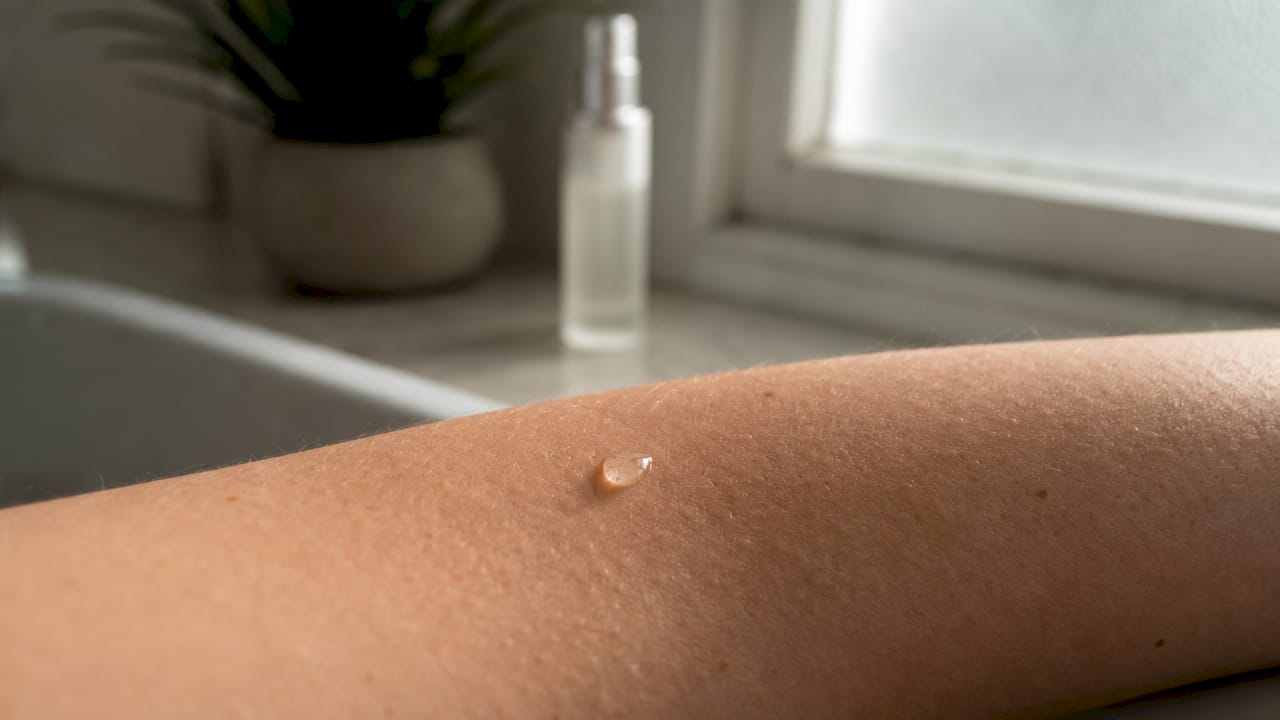
One of the clearest examples involves desquamation enzymes, which control the shedding of dead skin cells from the stratum corneum. These enzymes are highly sensitive to water availability. When hydration drops, enzyme activity slows, dead cells accumulate, and the result is visibly dull, rough, and flaky skin. This is not a cosmetic inconvenience. It is a sign that the skin’s renewal cycle has been disrupted at a cellular level.
Hydration also governs the skin barrier’s ability to protect against environmental damage. The stratum corneum relies on a lipid matrix to control transepidermal water loss (TEWL), the rate at which water evaporates from the skin’s surface. Skin hydration depends on water migrating from the dermis, and the lipid barrier regulates how much of that water is retained. When the barrier is compromised, TEWL increases, hydration falls, and the skin becomes more vulnerable to irritants and pathogens. You can read more about this process in Theaestheticsroom’s guide to skin barrier repair.
Pro Tip: Apply a moisturiser within 60 seconds of cleansing. The skin is most receptive to hydration-locking ingredients immediately after contact with water, before TEWL accelerates.
Hydration also accelerates tissue repair. Hydrated skin supports fibroblast migration and collagen synthesis, both of which are critical to wound healing. A moist skin environment is not just comfortable. It is biologically superior for recovery and resilience.
What visible effects does dehydration have on skin appearance?
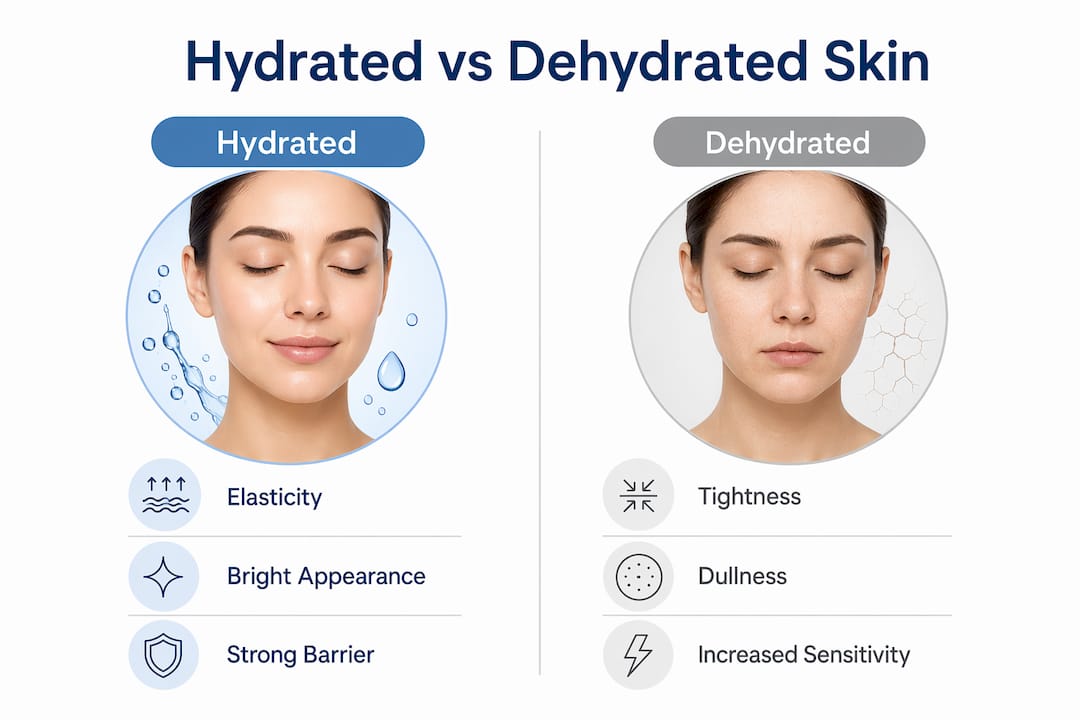
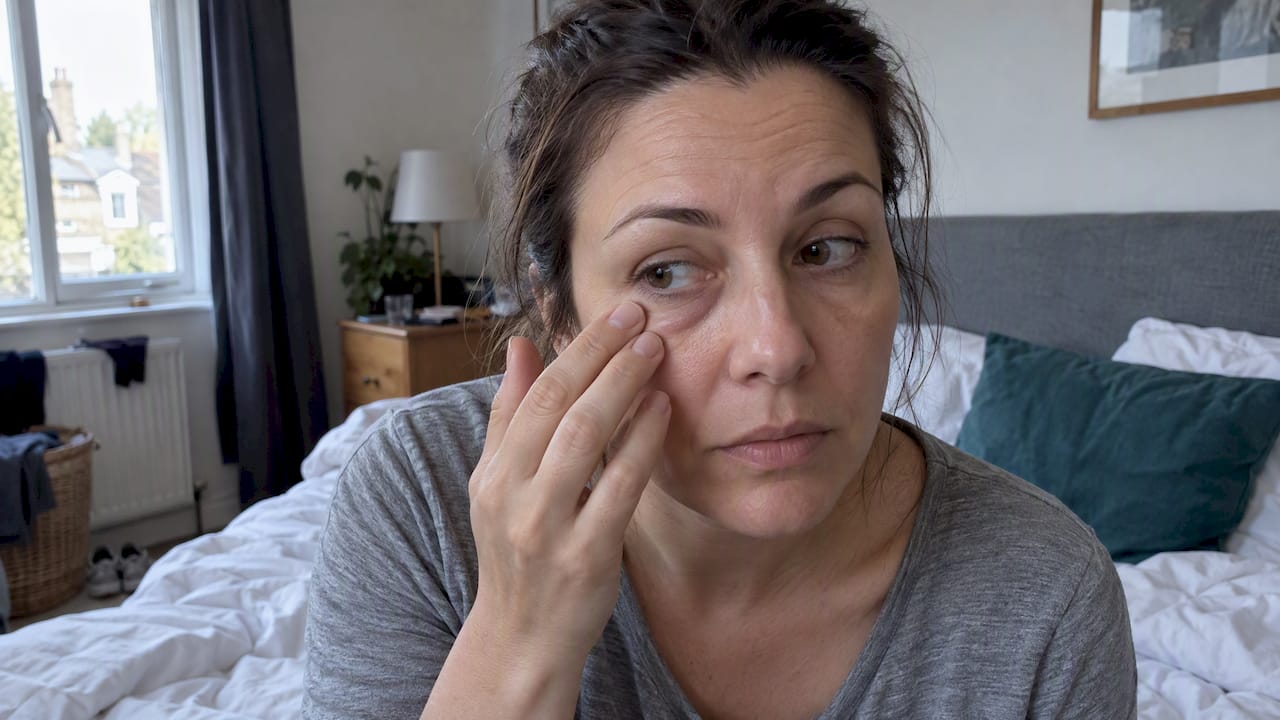
Dehydration produces visible skin changes well before it feels severe. Mild dehydration, defined as a 5% loss of body weight from fluid, produces recognisable signs that many people attribute to ageing or poor skincare rather than water deficiency.
The most common visible effects include:
- Tightness and discomfort, particularly after cleansing, as the stratum corneum loses flexibility
- Dullness, caused by the accumulation of dead cells when desquamation enzymes slow down
- Fine lines that appear temporarily, especially around the eyes and mouth, as skin loses its plumpness
- Reduced skin turgor, a clinical sign where skin pinched gently does not spring back quickly. Decreased skin turgor is a recognised marker of systemic fluid loss
- Increased sensitivity and redness, as a compromised barrier allows irritants to penetrate more easily
One distinction matters enormously here: dry skin and dehydrated skin are not the same condition. Dry skin results from a lipid deficiency, meaning the skin lacks the oils needed to seal in moisture. Dehydrated skin results from a water deficiency inside the skin itself. The treatments differ accordingly. Theaestheticsroom’s guide on dry versus dehydrated skin explains this distinction in practical detail. Applying an oil-rich cream to dehydrated skin without addressing the water deficit will not resolve the underlying problem.
Does drinking more water improve skin hydration and appearance?
The relationship between water intake and skin appearance is more nuanced than most people assume. Increasing water intake benefits skin primarily in individuals who are systemically dehydrated. For those who are already adequately hydrated, drinking additional water produces minimal visible change in skin condition.
The reason lies in how water reaches the skin. Water must pass through the bloodstream to reach skin cells. The outer layer of the skin has no direct blood supply, so internal hydration improves skin indirectly, via circulation and cellular function rather than by directly saturating the stratum corneum.
| Hydration approach | Mechanism | Best suited for |
|---|---|---|
| Drinking water | Systemic circulation to dermis and lower skin layers | People with low baseline hydration |
| Topical humectants (hyaluronic acid, glycerin) | Draw water into the stratum corneum from the environment | All skin types, especially dehydrated skin |
| Occlusives (ceramides, shea butter) | Seal the lipid barrier to reduce TEWL | Dry and compromised skin barriers |
| Emollients (squalane, jojoba oil) | Smooth and soften by filling gaps between skin cells | Rough, textured, or sensitised skin |
This does not mean hydration from within is irrelevant. Chronic low water intake will eventually show on the skin. The point is that drinking water alone is not a substitute for a well-designed topical skincare routine.
Pro Tip: If your skin feels tight and dull despite drinking plenty of water, the issue is likely TEWL rather than intake. Focus on barrier repair and occlusive ingredients rather than increasing fluid consumption further.
How do moisturisers and skincare ingredients support skin hydration?
Moisturising and hydrating are two distinct processes, and conflating them leads to ineffective skincare choices. As Dr Panduranga K. R. notes, moisturising prevents water loss whereas hydrating increases water content inside the skin. Both are necessary for genuinely healthy skin.
The key ingredients that support skin hydration fall into three functional categories:
- Humectants draw water into the skin from the environment or deeper layers. Hyaluronic acid, glycerin, and aloe vera are the most effective. Hyaluronic acid can hold up to 1,000 times its weight in water, making it the gold standard for topical hydration. Products from ranges such as the Hydration Rescue Bundle by Fierce Nature use humectant-led formulations to restore water content in the stratum corneum.
- Occlusives form a physical seal over the skin surface to prevent water from evaporating. Ceramides, petrolatum, and shea butter are the most widely used. They are particularly important for people with a compromised lipid barrier.
- Emollients smooth and soften skin by filling the microscopic gaps between skin cells. Squalane, jojoba oil, and vitamin E are common examples. Vitamin E also carries antioxidant properties that protect skin cells from oxidative stress.
Dry skin requires occlusives to seal moisture, while dehydrated skin requires humectants to pull water in first. Using the wrong category of product for your skin condition delays results and can worsen sensitivity. A layered approach, applying a humectant serum first and an occlusive moisturiser on top, addresses both water content and water retention simultaneously.
What practical steps help maintain skin hydration daily?
Maintaining skin hydration requires consistency across lifestyle, environment, and product choices. No single habit compensates for neglecting the others.
- Drink water consistently throughout the day. Waiting until you feel thirsty means mild dehydration has already begun. Spread intake across the day rather than consuming large amounts at once.
- Support hydration through nutrition. Foods rich in antioxidants, omega-3 fatty acids, and water content (cucumbers, watermelon, leafy greens) reinforce skin resilience from within. Theaestheticsroom’s article on nutrition and skin health covers this connection in depth.
- Protect skin from environmental dehydration. Cold air, central heating, air conditioning, and UV exposure all accelerate TEWL. Use an SPF daily and consider a humidifier in dry indoor environments during winter months.
- Layer skincare products correctly. Apply products from thinnest to thickest consistency: water-based serum, then moisturiser, then SPF in the morning. This sequence maximises absorption and seals hydration in.
- Avoid over-cleansing. Harsh cleansers strip the lipid barrier, increasing TEWL and leaving skin more vulnerable to dehydration. Use a gentle, pH-balanced cleanser twice daily.
- Be consistent with barrier-supporting ingredients. Ceramides, niacinamide, and peptides all support the skin barrier over time. Results from barrier repair take weeks, not days.
Ageing compounds every one of these factors. As skin ages, its natural hyaluronic acid content declines, the lipid barrier thins, and TEWL increases. This is why hydration and ageing skin are so closely linked, and why older skin requires more deliberate care to maintain the same level of moisture that younger skin retains naturally. Theaestheticsroom’s complete guide to boosting skin hydration provides a structured approach for every age group.
Key takeaways
Skin hydration is the foundation of healthy skin function: without adequate water, cell renewal slows, the barrier weakens, and visible signs of ageing and dullness accelerate regardless of other skincare efforts.
| Point | Details |
|---|---|
| Water is structurally critical | Water makes up 70% of skin cell volume and 30% of the stratum corneum’s weight. |
| Dehydration has a clinical threshold | A 5% loss of body weight from fluid produces visible skin changes including dullness and reduced elasticity. |
| Dry and dehydrated skin differ | Dry skin needs occlusives; dehydrated skin needs humectants. Using the wrong product delays recovery. |
| Drinking water has limits | Water intake improves skin mainly in those who are already dehydrated; topical care addresses the outer layer directly. |
| Layering products matters | Applying humectants before occlusives addresses both water content and water retention in one routine. |
Hydration, skin, and what I have seen in practice
By Vishul
After years of working in medical aesthetics, the most persistent misconception I encounter is that drinking more water will fix almost any skin concern. Clients arrive convinced that their dullness, fine lines, or sensitivity are simply the result of not drinking enough. The biology tells a more complex story.
What I have observed is that the people who see the most meaningful improvement in their skin are those who address hydration on every level at once: adequate water intake, a barrier-supporting skincare routine, and professional treatments where the skin’s own capacity to retain moisture has declined. Drinking water is necessary but rarely sufficient on its own.
The distinction between dry and dehydrated skin is one I return to constantly in consultations. Most people have never heard it. Yet it changes everything about which products and treatments will actually work. A client using a rich occlusive cream on dehydrated skin may feel temporary relief but will not resolve the underlying water deficit. Getting this diagnosis right is where professional guidance genuinely adds value.
Hydration also intersects with ageing in ways that are often underestimated. As hyaluronic acid levels in the dermis decline with age, the skin’s capacity to hold water diminishes structurally. Topical products help, but professional treatments that address the dermis directly can restore what lifestyle changes alone cannot. That is not a sales argument. It is simply where the science leads.
— Vishul
Skin hydration treatments at Theaestheticsroom
Lifestyle changes and topical skincare form the foundation of good skin hydration. For those whose skin has lost volume, elasticity, or moisture retention at a deeper level, professional treatments offer results that no cream can replicate.

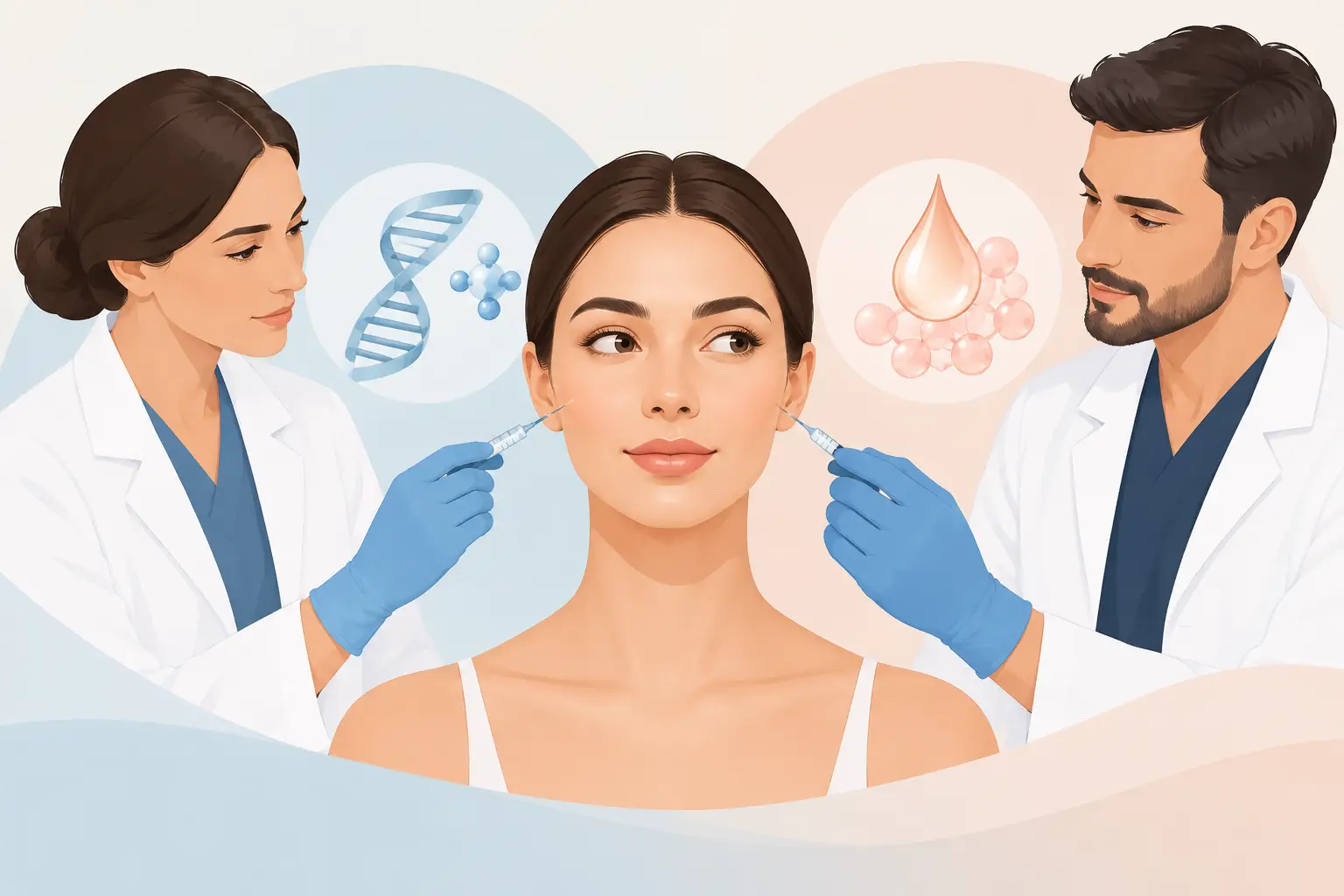
At Theaestheticsroom, our skin rejuvenation treatments are designed to restore hydration and structural support from within the dermis. Dermal fillers using hyaluronic acid replenish the skin’s natural moisture reservoirs, improving plumpness, elasticity, and radiance in a single session. Our practitioners, based at our Knightsbridge and Harley Street clinics, create bespoke treatment plans tailored to your skin’s specific condition. Book a consultation with us to find out which approach will deliver the most meaningful results for your skin.
FAQ
What is the difference between skin hydration and moisturising?
Hydration refers to increasing the water content inside skin cells, while moisturising refers to preventing water from evaporating off the skin’s surface. Both processes are necessary for healthy skin, and they require different ingredients to achieve.
How does dehydration visibly affect the skin?
Mild dehydration, defined as a 5% loss of body weight from fluid, produces tightness, dullness, reduced elasticity, and increased sensitivity. These signs are often mistaken for ageing or dry skin rather than a water deficit.
Does drinking more water clear or improve skin?
Drinking water improves skin appearance primarily in people who are already dehydrated. For those with adequate hydration, additional water intake produces limited visible change. Topical skincare addresses the outer skin layer more directly than internal hydration alone.
What skincare ingredients best support skin hydration?
Hyaluronic acid and glycerin are the most effective humectants for drawing water into the skin. Ceramides and shea butter seal the lipid barrier to prevent water loss. Combining both types in a layered routine delivers the most complete hydration support.
Why does skin become drier with age?
As skin ages, natural hyaluronic acid levels in the dermis decline and the lipid barrier thins, increasing transepidermal water loss. This structural change means older skin requires more deliberate hydration support, both topically and, in some cases, through professional treatments.
Recommended
- What’s the difference between dry and dehydrated skin? – The Aesthetics Room
- Unlock radiant skin: how nutrition transforms your complexion – The Aesthetics Room
- How to boost skin hydration: your complete guide – The Aesthetics Room
- Skin Hydration Therapy: Revitalising Skin Health Safely – The Aesthetics Room