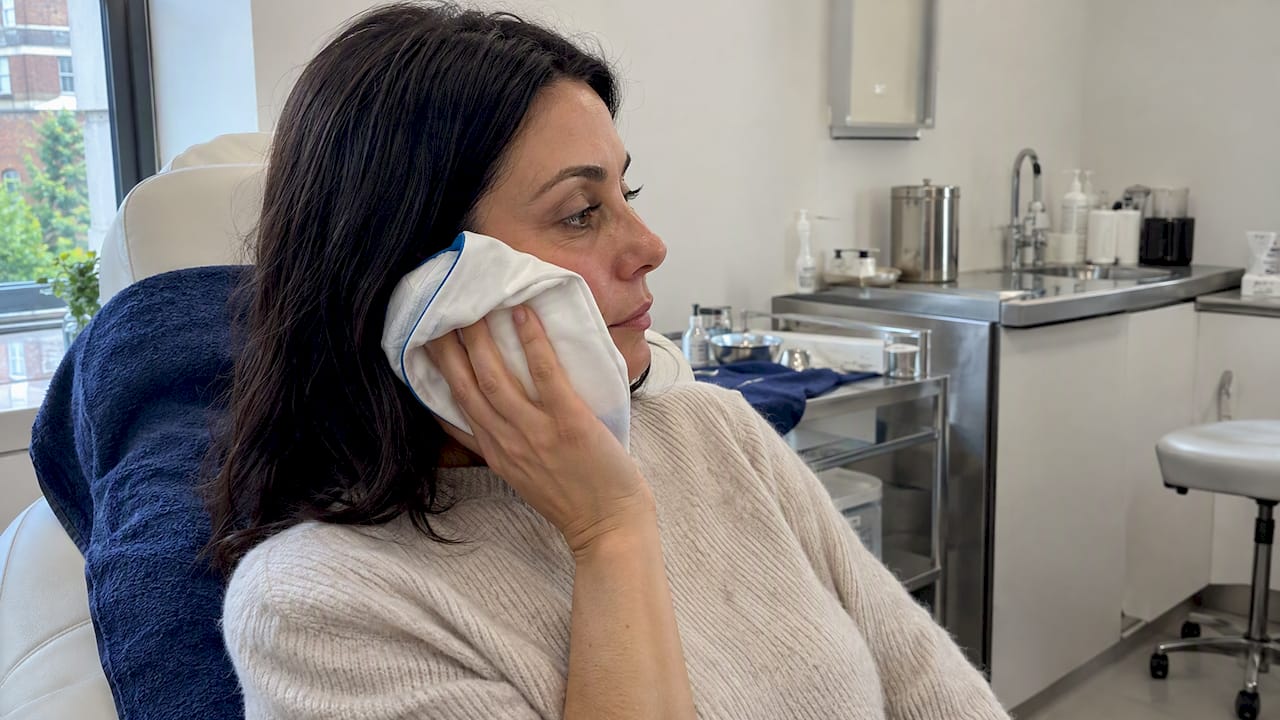


Swelling that lingers beyond the first days, blurred lip edges, and uneven contours can leave you questioning your filler investment. For discerning Londoners seeking a safe, personalised approach, understanding why fillers sometimes stray from their intended placement is crucial. This article highlights the most common signs of migration, such as unexpected swelling and loss of lip definition, and offers insight into expert strategies to protect your desired look and elevate your confidence.
Table of Contents
- What Is Filler Migration And Why It Occurs
- Where And Why Migration Happens Most Often
- Recognising Symptoms And Early Warning Signs
- Prevention: Safe Techniques And Best Practices
- Correcting Migrated Filler Safely In London
Key Takeaways
| Point | Details |
|---|---|
| Filler Migration Causes | Migration can result from excessive movement, inadequate injection depth, and product characteristics. Understanding these factors helps in minimising risk. |
| High-Risk Areas | Zones with significant movement, such as the lips and under-eye areas, are more vulnerable to migration. Strategic placement can reduce this risk. |
| Signs of Migration | Early signs include unexpected swelling, loss of definition, and asymmetry that may indicate filler displacement. Timely recognition is crucial for effective correction. |
| Prevention Techniques | Choosing experienced practitioners and adhering to post-treatment guidelines significantly lowers the chances of migration. Follow-up care should be approached cautiously to maintain stability. |
What Is Filler Migration And Why It Occurs
Filler migration occurs when dermal fillers gradually shift from their original injection site to surrounding facial areas. Rather than remaining precisely where your practitioner placed them, the product moves subcutaneously, creating unintended changes to your appearance.
This phenomenon happens because fillers aren’t anchored in place the way permanent structures are. They exist within the natural tissue spaces of your face, which contain fluid, movement, and inherent biological shifts. When you smile, frown, or simply move through daily life, subtle forces act upon the filler material.
Common causes of filler migration include:
- Excessive facial movement, particularly in highly expressive areas like the lips and around the mouth
- Inadequate injection depth—superficial placement makes migration more likely
- Product viscosity and consistency—thinner, more liquid fillers migrate more readily than cohesive ones
- Facial massage or pressure applied too soon after treatment
- Overinjection that overstuffs tissue spaces and creates pressure
- Natural gravitational effects combined with facial muscle contraction over weeks and months
The risk of migration increases significantly when fillers are placed too superficially or in areas of the face that experience constant movement.
Why does this matter for you? When dermal fillers transform your facial features, precision placement becomes everything. Migration doesn’t just mean your results fade—it means they shift in ways that might create asymmetry, unnatural bulging, or appearance that doesn’t align with your aesthetic goals.
The timeframe varies considerably. Some patients notice migration within weeks, whilst others see gradual changes over several months. Heavier fillers based on calcium hydroxyapatite or poly-L-lactic acid resist migration better than lighter hyaluronic acid formulations, though all fillers carry some risk.
Here’s a comparison of common types of dermal fillers and their typical migration risk:
| Filler Type | Migration Risk | Approximate Longevity |
|---|---|---|
| Hyaluronic Acid | Higher | 6–12 months |
| Calcium Hydroxyapatite | Lower | 12–18 months |
| Poly-L-lactic Acid | Lower | Up to 2 years |
| Polymethylmethacrylate (PMMA) | Lowest (semi-permanent) | Several years |
Your lifestyle choices matter here. Frequent facial treatments, aggressive skincare routines, or athletic activities that involve repetitive facial movement can accelerate migration. This isn’t about restricting your life—it’s about understanding what influences your results.
Pro tip: Schedule your filler appointment with experienced practitioners at The Aesthetics Room who understand the anatomy required to minimise migration risk through proper injection depth, product selection, and technique.
Where And Why Migration Happens Most Often
Certain areas of your face experience migration far more frequently than others. Understanding which zones are vulnerable helps you make informed decisions about filler placement and aftercare.
The lips and perioral region tops the list of migration hotspots. Your mouth moves constantly—speaking, eating, drinking, smiling—creating constant pressure and movement that nudges filler outward. What starts as fuller lips can gradually spread into the surrounding tissue, creating an unnatural halo effect around your mouth.
The tear trough and under-eye area presents a different challenge. Fillers placed here are prone to migration because the skin is exceptionally thin and delicate, with minimal structural support. Even slight head movements or rubbing can cause product to drift downward or laterally, potentially creating unsightly bulging beneath the eyes.
High-risk migration zones include:
- Lips and perioral area (most movement, highest risk)
- Under-eye and tear trough (thin skin, minimal support)
- Cheeks (gravity pulls product downward over time)
- Nose bridge (constant facial expressions affect placement)
- Jawline (movement during talking and chewing)
- Nasolabial folds (continuous muscle activity from expressions)
Areas experiencing constant muscle movement are 3-4 times more likely to develop noticeable migration within 6 months.
Why does movement matter so much? When fillers transform your face, they’re placed within living tissue that never stops working. Your facial muscles contract thousands of times daily. Each contraction creates micro-movements that gradually displace filler molecules away from their original location.
Gravity also plays a role, particularly in the cheeks and midface. Fillers gradually migrate downward over weeks and months, creating a drooping or tired appearance rather than the lifted look you initially received.
Stationary zones—forehead, temples, and other areas with minimal movement—show significantly lower migration rates. This is why experienced practitioners often recommend different filler types for different facial zones.
Pro tip: Discuss filler placement zones during your consultation at The Aesthetics Room; practitioners can recommend anatomically strategic placement that minimises migration risk whilst achieving your desired aesthetic results.
Recognising Symptoms And Early Warning Signs
Filler migration doesn’t announce itself with dramatic changes. Instead, you’ll notice subtle shifts in your appearance over weeks or months that signal something isn’t quite right.
The earliest warning sign is often unexpected swelling that extends beyond where your practitioner injected the filler. Normal post-treatment puffiness typically resolves within 48-72 hours, but migration-related swelling persists or returns unpredictably.
Look for loss of lip definition if you’ve had lip fillers. Your once-crisp lip border becomes blurred or fuzzy as filler spreads into the surrounding tissue. This creates what professionals call a “halo effect”—subtle puffiness around the lip margins that wasn’t part of your original treatment plan.
Common early warning signs include:
- Swelling that extends beyond original injection margins
- Blurred or undefined lip borders and edges
- Visible lumps or irregularities around injection sites
- Asymmetry between left and right sides of treated areas
- A “filler moustache” effect above the upper lip
- Uneven lip contour or thickness distribution
- Puffiness in unexpected facial zones
Early signs of migrated filler often include swelling beyond the treatment margins, loss of lip definition, lumps around the injection sites, and asymmetry. Recognising these signs early facilitates corrective measures.
Timing matters significantly. If changes appear within the first two weeks, they’re likely normal post-treatment inflammation. Changes emerging after two to three weeks warrant closer attention—that’s when true migration typically becomes noticeable.
Asymmetry is particularly telling. Your face may have had natural asymmetry before treatment, but migration creates new asymmetry that differs from your baseline. One side might appear fuller or more swollen than the other without obvious explanation.
Photograph your results regularly. Take pictures in consistent lighting from the same angles. Comparing images week-to-week reveals subtle shifts that daily mirror gazing might miss.
Pro tip: Contact The Aesthetics Room immediately if you notice unexpected swelling, lumps, or asymmetry beyond the first 72 hours after treatment—early intervention prevents migration from becoming more pronounced.
Prevention: Safe Techniques And Best Practices
Preventing filler migration begins long before the needle touches your skin. Strategic preparation, proper injection technique, and informed aftercare decisions work together to minimise risk and protect your investment.
Your practitioner’s experience matters most. An experienced injector understands facial anatomy deeply—where tissues are dense enough to hold filler safely, which zones demand conservative placement, and how to position product at the correct depth. Superficial injections migrate far more readily than those placed at optimal depth within the dermis or subcutaneous layer.
Essential prevention strategies include:
- Choose experienced practitioners trained in advanced injection anatomy
- Request conservative initial volumes, especially in high-movement zones
- Discuss filler type selection—heavier, more cohesive products resist migration better
- Avoid facial massage or aggressive pressure for at least two weeks post-treatment
- Skip intense cardio and strenuous exercise for 48 hours after injections
- Sleep on your back for the first week to prevent facial pressure
- Avoid rubbing, touching, or manipulating treated areas excessively
- Stay hydrated and maintain stable body weight
Proper injection depth and conservative product placement are the two most reliable strategies for preventing noticeable migration.
Safe filler preparation and technique include avoiding blood-thinning medications like aspirin for one week beforehand. This reduces bruising and swelling, which can destabilise filler placement during the inflammatory phase.
Timing of follow-up treatments matters significantly. Scheduling your next appointment too soon—before initial filler has fully integrated and stabilised—compounds migration risk by layering new product into unstable tissue. Most practitioners recommend waiting four to six weeks minimum between appointments.
Choosing the right filler product for each facial zone makes a substantial difference. Hyaluronic acid fillers offer excellent results but migrate more readily than calcium hydroxyapatite or poly-L-lactic acid alternatives. Your practitioner should match filler type to anatomical risk zones.
Post-treatment behaviour significantly influences outcomes. Those who avoid facial massage, sleep position adjustments, and excessive movement experience markedly fewer migration complications than patients who resume normal habits immediately.
Pro tip: Follow all post-treatment restrictions carefully for the first 72 hours; this critical window determines whether your filler settles into ideal position or begins migrating unpredictably.
Use this table to understand how aftercare actions influence filler migration risk:
| Aftercare Action | Effect on Migration Risk | Recommended Duration |
|---|---|---|
| Avoiding facial massage | Reduces risk significantly | 2 weeks |
| Sleeping on your back | Prevents uneven pressure | First week |
| Postponing intense physical activity | Minimises product displacement | 48 hours |
| Not touching treated areas | Maintains stable filler position | Ongoing |
Correcting Migrated Filler Safely In London
Once migration occurs, correcting it requires a strategic approach that prioritises your safety and natural appearance. London’s premium clinics offer several effective solutions tailored to your specific situation.
The first intervention option is hyaluronidase injection, an enzyme that dissolves hyaluronic acid fillers precisely. This allows your practitioner to selectively break down migrated filler whilst preserving the filler in ideal positions. It’s a targeted correction, not a complete removal.
Timing matters when pursuing correction. Waiting too long allows migrated filler to integrate into surrounding tissue, making removal more complicated. Addressing migration within four to eight weeks of noticing symptoms yields better results than waiting months.
Correction strategies available in London include:
- Hyaluronidase injections to dissolve misplaced hyaluronic acid filler
- Strategic re-injection with improved placement once migration is resolved
- Conservative observation if migration is minimal and stable
- Switching to alternative filler types that resist migration better
- Combining multiple sessions for gradual correction of severe cases
- Addressing underlying causes through lifestyle adjustments
Hyaluronidase correction works best on hyaluronic acid fillers; other filler types require different removal approaches or simply require waiting for natural metabolisation.
Non-hyaluronic acid fillers—like calcium hydroxyapatite or poly-L-lactic acid products—cannot be dissolved with hyaluronidase. These require either waiting for the body to naturally metabolise the product over months or years, or consulting a specialist about alternative management strategies.
Understanding what is normal versus concerning after filler treatment helps distinguish migration from temporary swelling. Some post-treatment changes are expected inflammatory responses that resolve independently.
Your practitioner will assess migration severity during consultation. Subtle migration affecting aesthetics only slightly might warrant observation, while noticeable asymmetry or significant displacement typically benefits from active correction.
After hyaluronidase treatment, your practitioner may recommend waiting two to three weeks before re-injection. This allows your facial tissues to return to baseline, ensuring new filler placement occurs in stable, predictable anatomy.
London practitioners increasingly use advanced imaging and assessment techniques to identify exactly where migrated filler has travelled. This precision mapping ensures corrections target the right areas without disrupting ideal filler positions.
Pro tip: Book a comprehensive consultation at The Aesthetics Room to assess migration severity and determine whether dissolution, observation, or corrective re-injection best suits your situation.
Take Control of Filler Migration with Expert Care at The Aesthetics Room
Understanding the risks and signs of filler migration is essential for anyone seeking natural and lasting facial enhancements. If you are concerned about subtle shifts, asymmetry, or unexpected swelling following your treatment, know that these common challenges can be effectively managed with the right expertise and approach. At The Aesthetics Room in Knightsbridge, our specialists prioritise precise injection techniques, careful product selection, and personalised aftercare advice to minimise migration risks and protect your investment in beauty.

Don’t let filler migration disrupt your confidence. Experience premium care from experienced practitioners who understand the delicate balance of facial anatomy. Visit The Aesthetics Room today to book a personalised consultation or treatment. Discover how our bespoke solutions and advanced techniques can restore your desired look safely and naturally. Take the first step towards flawless results by exploring how dermal fillers transform your face and learning how to prepare for fillers safely and effectively. Your optimal outcome starts now.
Frequently Asked Questions
What is filler migration?
Filler migration occurs when dermal fillers shift from their original injection site to surrounding areas, leading to unintended changes in appearance.
What causes filler migration?
Common causes include excessive facial movement, inadequate injection depth, the viscosity of the filler used, and applying pressure or massage too soon after treatment.
How can I recognise if my filler has migrated?
Signs of filler migration include unexpected swelling beyond treatment areas, loss of lip definition, irregularities around injection sites, and new asymmetry between sides of your face.
What can I do to prevent filler migration?
To minimise migration risk, choose experienced practitioners, avoid facial massage for at least two weeks post-treatment, and opt for conservative initial filler volumes, especially in high-movement areas.